All posts
Market notes, session journals, weekly reviews and everything in between, newest first.
Newest first
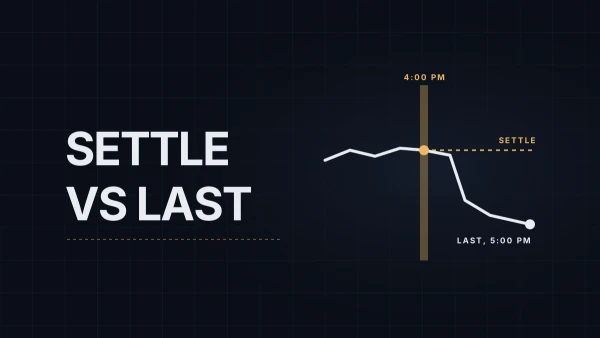
- Settlement Price on NQ: Why the Daily Settle Differs From the Last Trade and Where It Matters NQ has two closing prices every day: the settlement CME sets from a 30-second window at 4:00 PM ET, and the last trade an hour later. How the settle is calculated, why the two can be 100 points apart on earnings nights, and where each shows up, from broker statements to prop accounts.
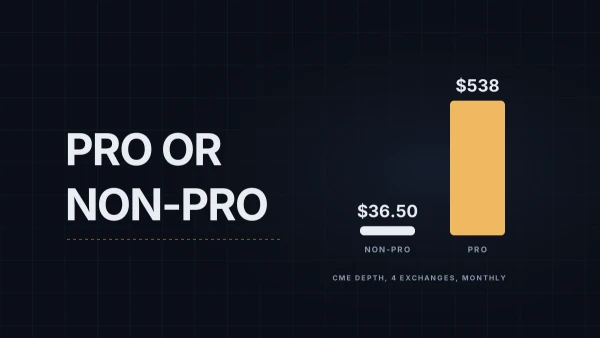
- Professional vs Non-Professional Market Data: The Status Question Every Prop Trader Answers The first login to Rithmic, Tradovate or TopstepX asks one question that sets your market data bill: professional or non-professional. What CME's definition says, what each answer costs, why simulated prop accounts and live capital get different answers, and what a wrong declaration costs.
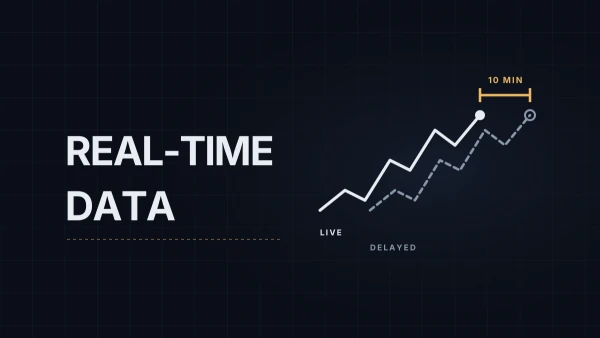
- TradingView Real-Time CME Data for NQ: Which Subscription You Need and What Non-Pro Status Means A free TradingView chart of NQ is 10 minutes behind the market. The three ways to get it live, what each costs at the time of writing, what the broker-data route asks for, why prop accounts are a grey area there, and when delayed data is all the job needs.
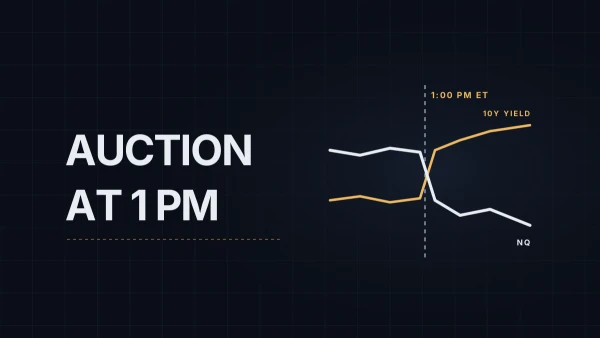
- Treasury Auctions and NQ: Why a 10-Year Auction at 1 PM ET Can Move Tech Three Treasury auctions this week, each with results at 1:00 PM ET (19:00 CET). Most pass without a ripple; a weak one can push yields up within minutes, and NQ feels it more than most index futures. How the auction works, the four numbers in the result, and the ways intraday traders handle 1:00 PM.
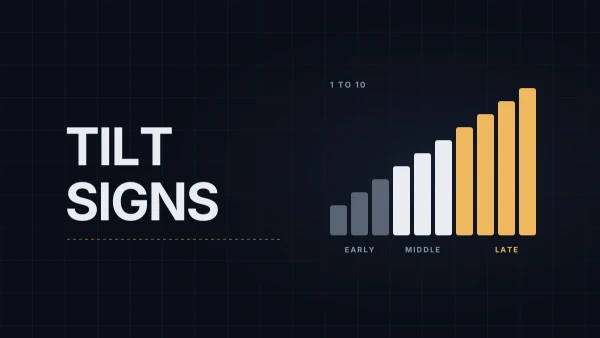
- Tilt in Real Time: Physical Signs Before the Bad Trade Trading tilt is easier to catch in a clenched jaw than in a thought, because thoughts argue and the body doesn't. A map of early, middle and late signs, one prepared action for each stage, and four steps to build your own map from the journal and session recordings.
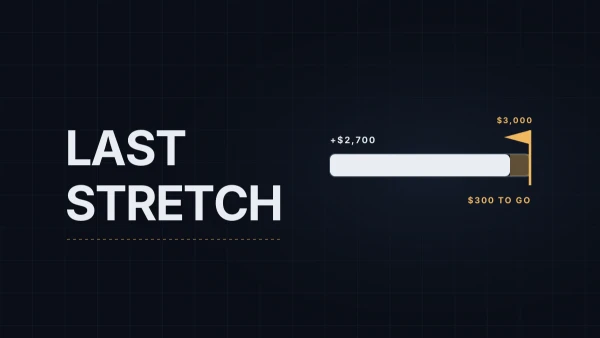
- Target Fixation: Why the Last Stretch of an Evaluation Is Where Accounts Break Near the end of an evaluation, the distance to the target starts deciding the size and the trades, and the method that got the account there quietly changes. The two ways it goes wrong, what a big final day does under a consistency rule, and rules that keep the last week ordinary.
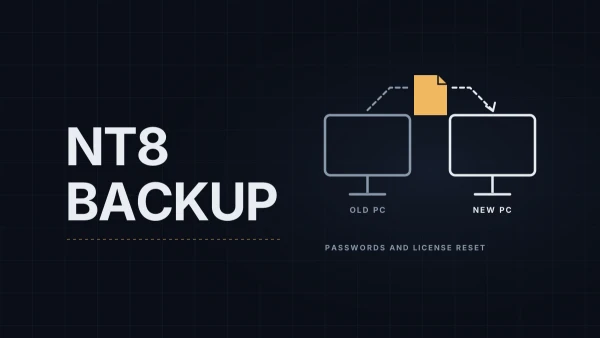
- Backing Up and Moving NinjaTrader 8 to a New PC: Workspaces, Templates, Data and Licenses One backup file moves workspaces, templates, NinjaScript and settings to a new computer in a few minutes. Connection passwords and add-ons licensed to your old computer don't come along, because they're tied to the machine ID. The steps, what to tick, and what to redo before the first session.
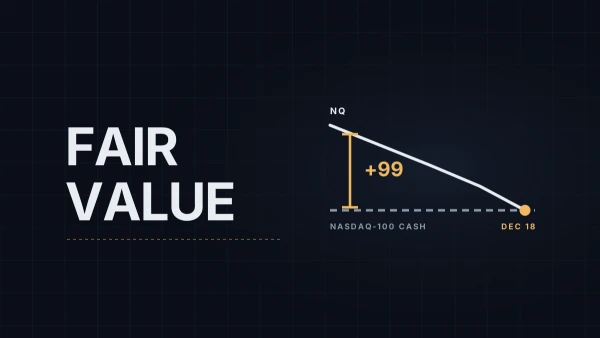
- Fair Value and Basis: Why NQ Trades Above the Nasdaq-100 Cash Index Put NQ next to the Nasdaq-100 and the future sits about 100 points higher. That gap is the basis: interest on money you didn't spend, minus dividends you don't get. The fair value formula, a worked example for December and March, and how to move QQQ and NDX levels onto an NQ chart.
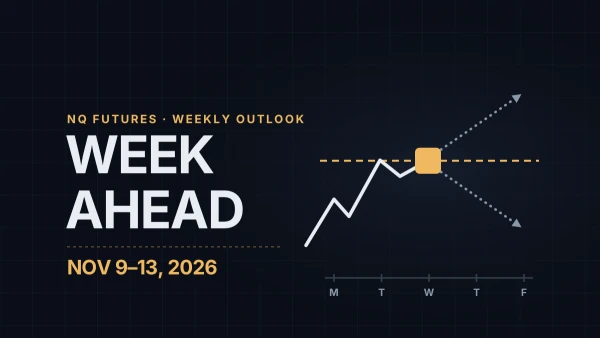
- NQ Week Ahead (Nov 9–13, 2026): CPI, CoreWeave and Cisco After a 2,600-Point Week Thursday took 2,098 points out of NQ, Friday made a new low and bounced 1,058. The levels from the 27,085 settlement, a VXN range of about 1,300 points either way, and a week with CPI, a closed bond market on Veterans Day, three Treasury auctions, CoreWeave, Cisco and PPI.
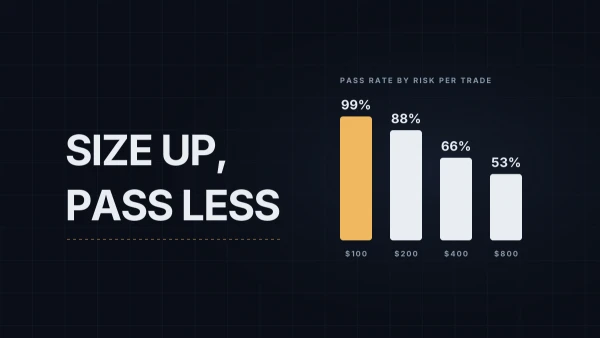
- The Evaluation Is Not the Strategy: Why Traders Change Their Method to Pass and What It Costs The usual advice on passing a prop firm evaluation is to trade differently until it's over: bigger size, more trades, a looser stop. Each change creates a strategy with no track record. What a simulation says about size and pass rates, and two ways to pass with the method you already tested.
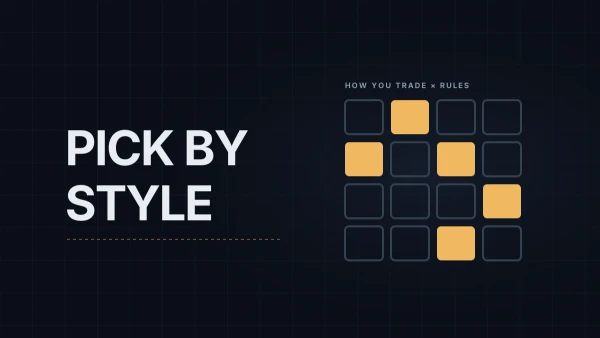
- Matching a Prop Firm to Your Strategy: Scalpers, Level Traders, News Traders and Slow Days The best prop firm for scalping isn't the best one for a level trader who sits through pullbacks, or for someone who trades the 8:30 data. A decision matrix that maps how you trade onto the rule types that cost you, and four trader profiles worked through it.
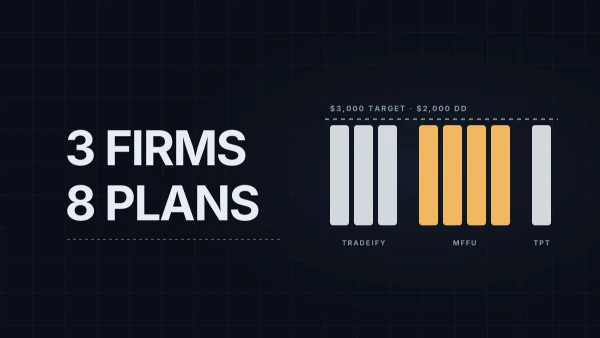
- Tradeify, MyFundedFutures and Take Profit Trader: Rules Compared on a 50K Account All three firms ask for $3,000 on a 50K with a $2,000 drawdown, and their eight 50K plans look alike until the funded stage. The evaluation and funded rules plan by plan, which accounts trail open profit, how the payout buffers work, what each costs, and where NinjaTrader and bots fit.
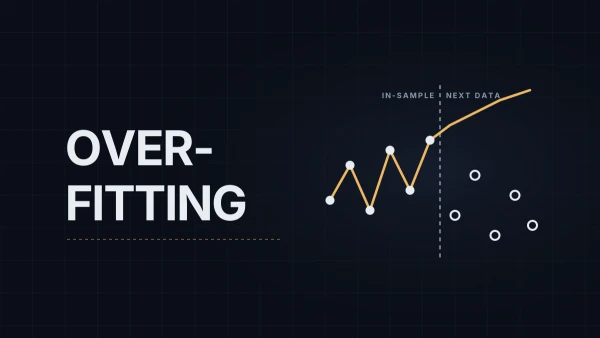
- Overfitting a Trading Strategy: Why the Best Backtest Is Often the Worst Bet Test enough settings on any price history and one of them will look like an edge, even on data with no pattern in it. A simulation that shows how big that illusion gets, why every extra parameter makes it worse, and the checks that catch it before a live account does.
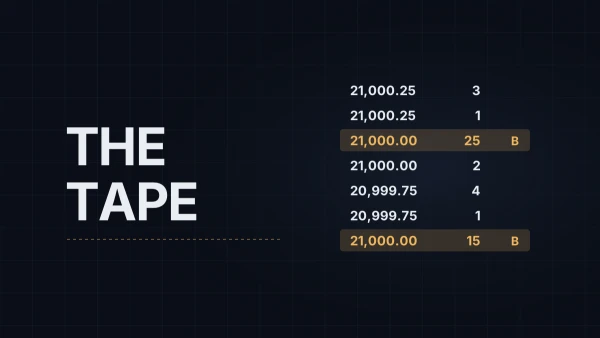
- Time and Sales on NQ: Reading the Tape When the Heatmap Is Too Much The time and sales window lists every NQ trade with its price, size and side. What the colors mean, why the same order prints differently on different data connections, the size and aggregation filters in NinjaTrader 8, and the moments when the tape says more than a candle.
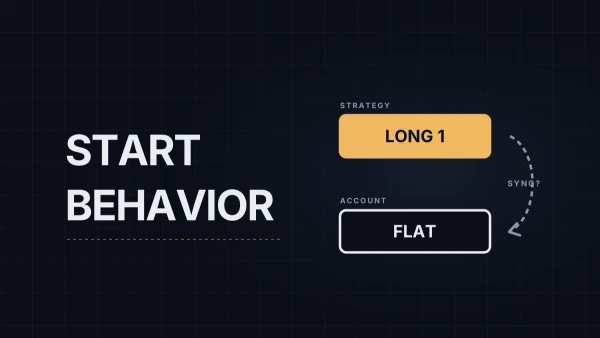
- Running a NinjaTrader 8 Strategy Live: Start Behavior, Position Sync and What Happens on a Disconnect A NinjaTrader 8 strategy keeps its own position and the account keeps another. How Start behavior reconciles the two, how to enable a strategy from the Strategies tab, what happens to its orders when the connection drops, and why a restart leaves the strategy switched off.
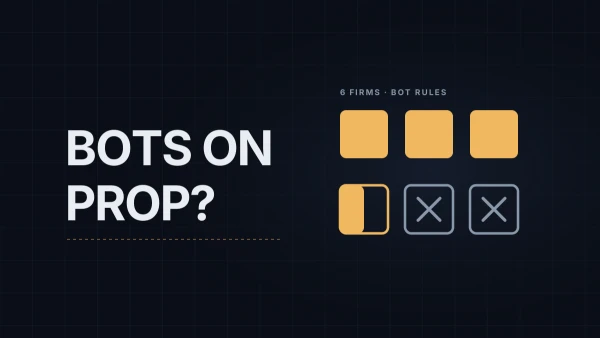
- Automated Trading on a Prop Account: Which Firms Allow NinjaTrader Strategies and on What Terms Whether a NinjaTrader strategy can run on a funded account depends on the firm, and the yes answers come with conditions: sole ownership, no high-frequency trading, no exploiting simulated fills, sometimes no VPS. Six firms' rules side by side, where copiers and ATM brackets fit, and what to keep.
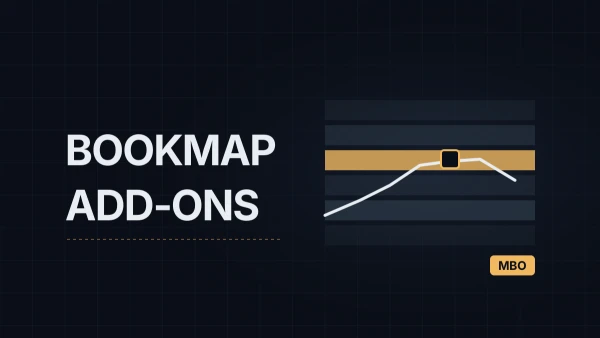
- Bookmap Add-Ons for NQ: Stops and Icebergs, Large Lot Tracker and What Needs MBO Data Bookmap's add-ons for NQ sorted by the data they need: the ones that run on any full-depth feed, the ones that require market-by-order data, which plan includes what, and what each data connection gives you at the time of writing. Plus what Stops & Icebergs can and can't detect.
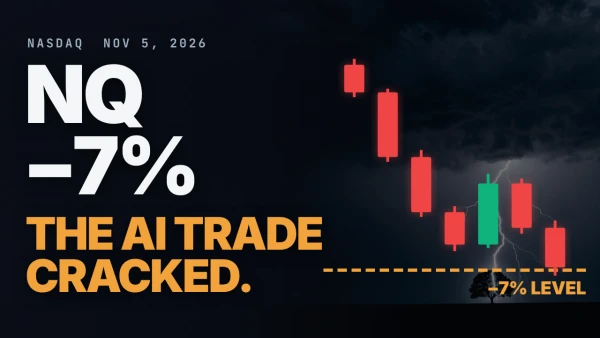
- NQ Fell 7% and Never Halted: The November 5, 2026 Chip Crash Explained The chip index had its worst day since March 2020, the Nasdaq-100 closed down 6.4%, and NQ traded through its own 7% level after the stock market closed. What drove the selloff, why no limit triggered, and what a 1,900-point range does to position size.
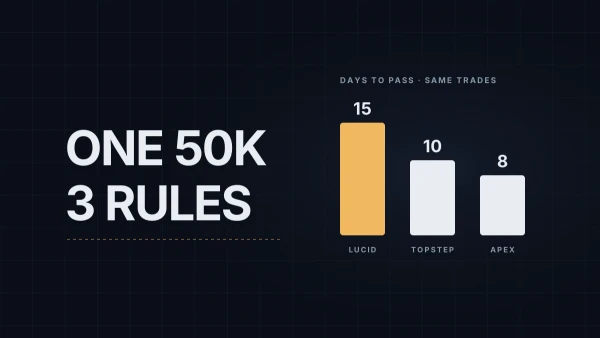
- Lucid vs Topstep vs Apex: The Same 50K Account Under Three Rulebooks LucidFlex, the Topstep Trading Combine and an Apex 4.0 EOD evaluation all ask for $3,000 on a 50K with a $2,000 drawdown. Run the same hypothetical weeks through all three and the differences show up: consistency, the daily loss limit, payout timing, and the cushion left after the first payout.
- Spoofing, Pulled Bids and Flashing Size: Reading Liquidity That Disappears on the NQ Heatmap Large NQ orders appear and vanish on every heatmap, and most of them are legal. What the anti-spoofing law prohibits, how CME's Rule 575 applies it, landmark enforcement cases including four in E-mini Nasdaq-100 futures, and what a trader can conclude from liquidity that disappears.
- NinjaScript for Beginners: Writing a First Indicator in NinjaTrader 8 NinjaScript is C# that NinjaTrader 8 compiles. A walk-through from the Control Center menu to a working indicator that plots the prior session's high and low: the wizard, OnStateChange and OnBarUpdate, the code line by line, compiling, and the errors almost everyone hits first.
- Apex Trader Funding 4.0 Explained: EOD vs Intraday Trail, the Payout Ladder and What Changed On March 1, 2026 Apex Trader Funding replaced its evaluations with Apex 4.0. The EOD and intraday evaluations side by side, the tiered contract and loss limits on the performance account, the six-step payout ladder, what changed from the Legacy accounts, and the conduct rules for all of them.
- Overtrading: Telling a Busy Day From a Bad One Fifteen trades can be a disciplined day and four can be overtrading. The difference is whether each trade came from the plan. How to tell a busy day from a bad one after the close, what extra trades cost in fees, and the limits traders use to stop the drift.
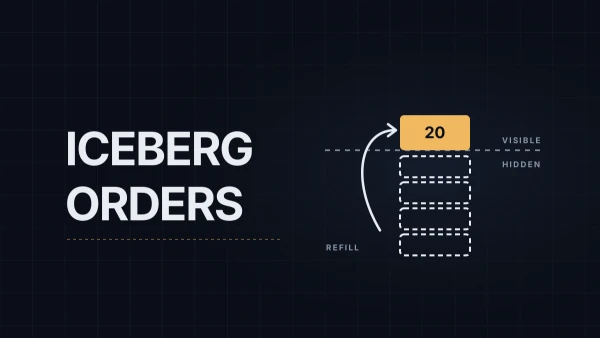
- Iceberg Orders on CME: How They Work and What the NQ Heatmap Shows of Them Twenty contracts on the offer, three hundred traded there, and the offer still shows twenty: that's an iceberg. How CME's display quantity works, why each refill goes to the back of the queue, what aggregated depth and market-by-order data can and can't show, and how traders read one.
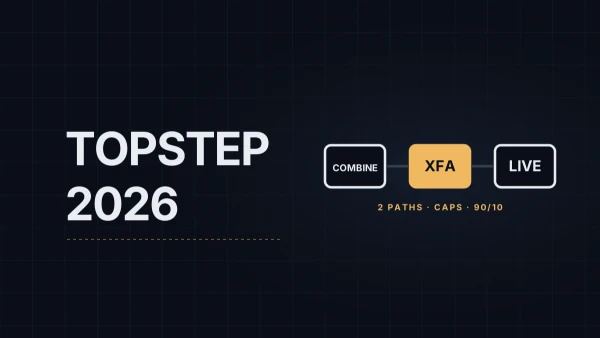
- Topstep in 2026: TopstepX, Express Funded Paths, Payout Caps and the 90/10 Split Topstep rebuilt most of its program between 2025 and 2026. The Trading Combine, the Standard and Consistency paths on the Express Funded Account, payout caps by size, the Live Funded reserve, the platform and news rules, and a dated list of what changed and when.
- Discretionary vs Systematic Trading: What Each Demands and Why Many Traders End Up in Between Systematic trading asks for rules precise enough to code and the patience to test them; discretionary trading asks for screen time and a way to tell skill from luck. What each one demands, how each one fails, and why many traders end up with rules for the setup and judgment for the filter.
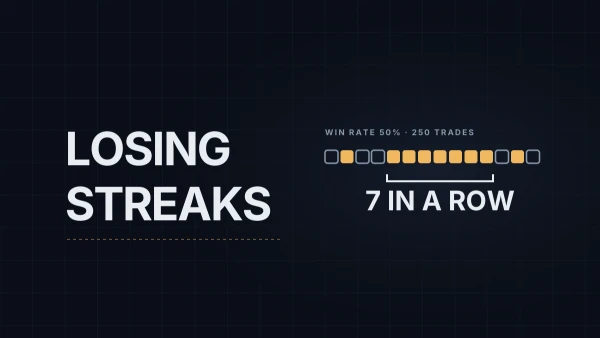
- Losing Streaks on a Prop Account: How Long a Normal Streak Is and What It Does to Your Drawdown Losing streaks are longer than they feel like they should be. Exact odds of the longest streak in 100 and 250 trades at win rates of 40, 50 and 60%, the chance that a streak alone reaches the floor of a 25K or 50K account, and the ways traders size for it.
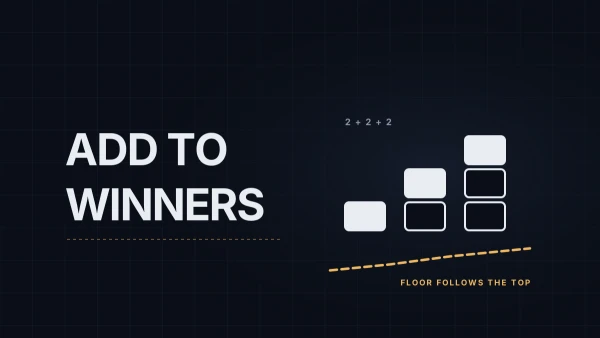
- Pyramiding on a Prop Account: Adding to Winners Under a Trailing Drawdown Pyramiding lowers the risk at the start of a trade and leaves full size at the top, which is where an intraday trailing drawdown charges for every point given back. A worked MNQ example, how averaging down differs, what Lucid, Apex, Topstep and Tradeify say about adding, and how to size the adds.
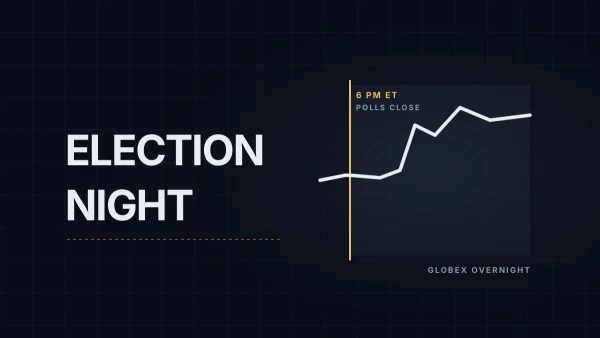
- US Elections and Index Futures: Election Night on Globex, Limit Moves and What Past Cycles Showed Election results arrive after the US stock market closes, while NQ trades on Globex. The 2026 midterm timeline in ET and CET, what index futures did overnight in 2016, 2018, 2020, 2022 and 2024, why the overnight limit matters, and the ways traders handle the night.
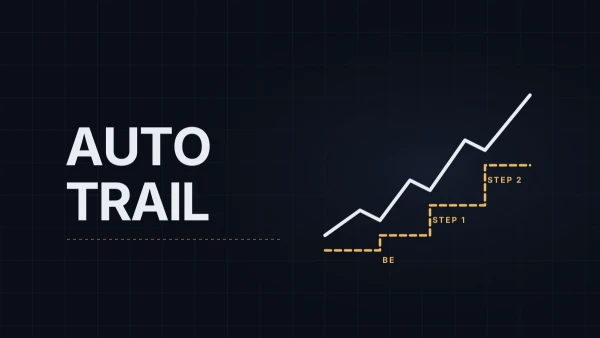
- NinjaTrader 8 ATM Stop Strategies: Auto Breakeven, Auto Trail and Chase Settings The stop strategy is the part of a NinjaTrader 8 ATM that moves the stop after the fill. Every field of Auto Breakeven and Auto Trail with a worked MNQ example, the simulated stop and volume trigger, where Auto Chase belongs, how to save it so edits stick, and the troubleshooting list.
No posts in this hub on this page yet.
On YouTube
Session recordings with commentary are coming to the channel. Subscribe to catch the first one.
Subscribe on YouTube