All posts
Market notes, session journals, weekly reviews and everything in between, newest first.
Newest first
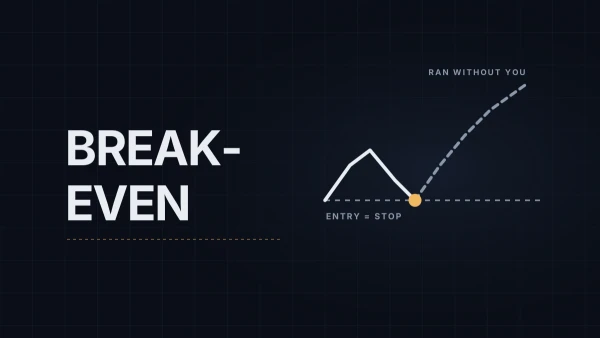
- Moving the Stop to Breakeven: When It Helps and When It Turns Winners Into Scratches A breakeven stop saves the losers that were in profit first and scratches the winners that dip back to entry before they run. Which group is bigger decides whether the rule helps, and a journal can count it. A worked example with three trigger distances and the variants traders use.
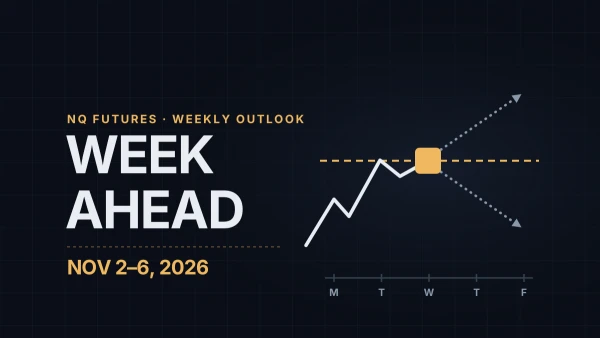
- NQ Week Ahead (Nov 2–6, 2026): Midterms, Apple, AMD, Payrolls and the 10% Line Intel's worst day since 1974 pushed NQ through the 10% correction line before it settled at 28,534. Now the clocks are six hours apart again, election results arrive overnight on Globex, Apple, AMD and Qualcomm report on three straight evenings, and payrolls close the week.
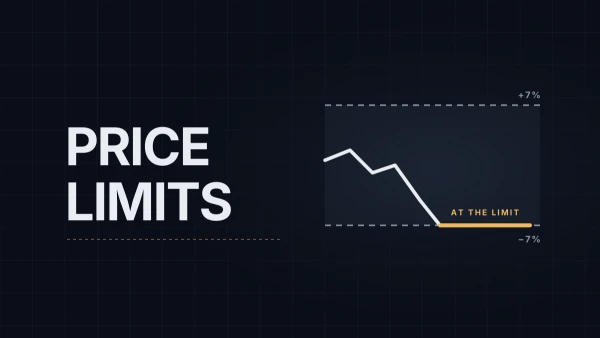
- NQ Price Limits and Circuit Breakers: The Overnight Band, Cash-Session Halts and What Happens at the Limit Overnight, NQ can't trade outside a band set every afternoon by CME. The overnight ±7% limit, the 3.5% dynamic circuit breaker, the downside-only 7%, 13% and 20% levels during US hours, how they tie into NYSE trading halts, and what March 2020 showed about being on the wrong side of a limit.
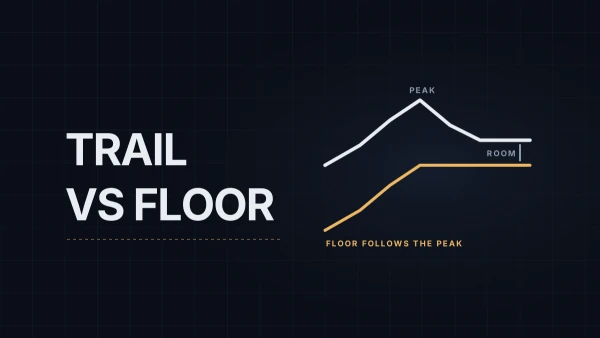
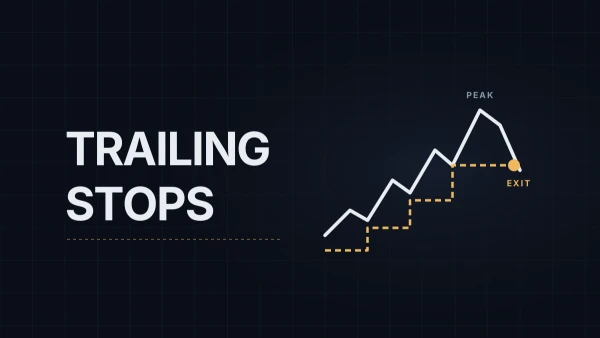
- Trailing Stops vs Trailing Drawdown: How an Open Winner Moves Your Floor A trailing stop gives back part of every move by design. On an intraday trailing drawdown the floor has already followed open profit to its peak, so that give-back comes out of your room. One hypothetical trade traced under intraday and end-of-day rules, and how traders handle it.
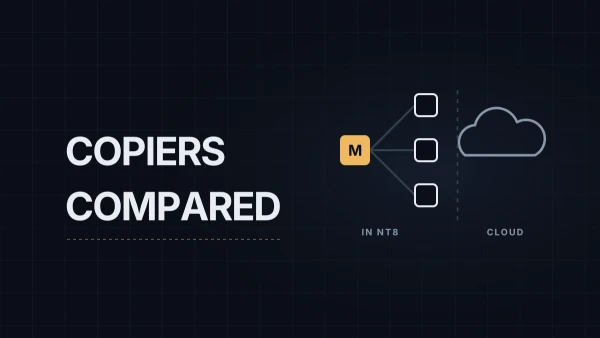
- Trade Copiers for NinjaTrader Compared: Built-In Options, Paid Add-Ons and Free Tools NinjaTrader 8 doesn't copy trades on its own, so every multi-account trader picks a tool. In-platform add-ons, cloud copiers and Tradovate's own Group Trade compared on four things that matter on prop accounts: where they run, ratios, what happens when the PC stops, and cost.
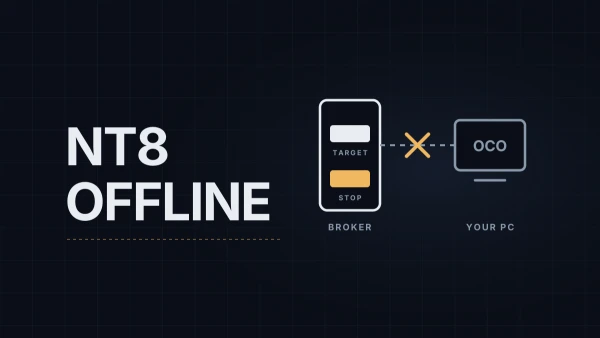
- NinjaTrader Disconnects: What Happens to Your Orders and How to Protect an Open Position When NinjaTrader 8 loses its connection, some protection lives on the broker's servers and some on your PC. Which orders keep working, why a filled target can leave the stop active, what server-side ATMs change, and what to do in the first minute on Tradovate and Rithmic accounts.
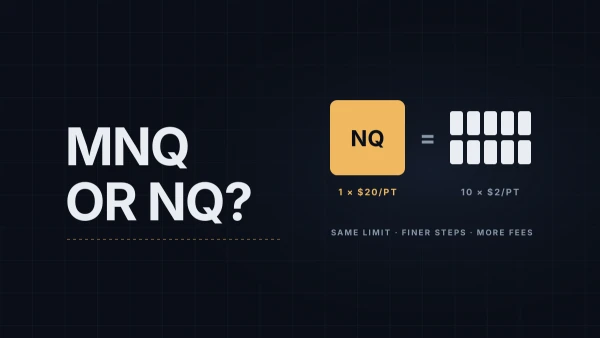
- MNQ or NQ on a Prop Account: Contract Limits, Tick Value and Drawdown Granularity Ten MNQ move like one NQ, and the four firms here count them that way. The difference is in the steps: how finely you can size risk against a drawdown, what the extra round turns cost, and the rules that treat the two contracts differently. Numbers from Lucid, Apex, Topstep and Tradeify.
- Trailing Stops Explained: Fixed, ATR, Structure-Based and Time-Based Trails A trailing stop decides how much of a winning move you keep. The same hypothetical NQ trade run through four common trails, fixed distance, ATR, structure and a three-bar low, with the points each kept and gave back, and the trade-off between giving back profit and getting shaken out by noise.
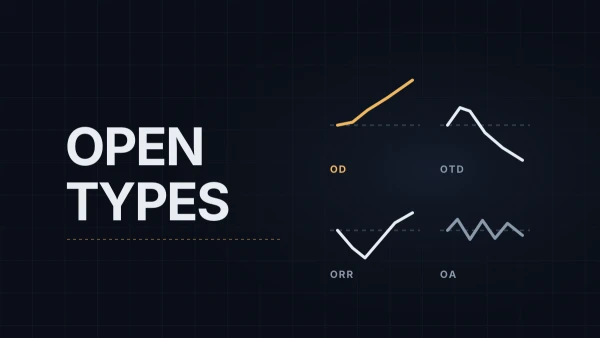
- Session Open Types on NQ: Open-Drive, Open-Test-Drive, Open-Rejection-Reverse and Open-Auction The first half hour after the US open tells you how much conviction the market brought to the session. Dalton's four open types on NQ, each with an illustrative example, why location against the prior day is a separate read, and how to classify an open while it's still forming.
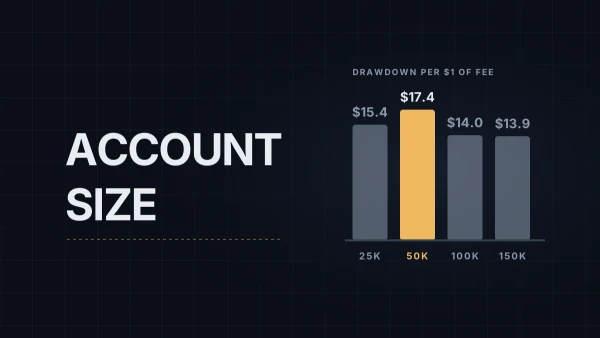
- 25K, 50K, 100K or 150K: Choosing an Evaluation Size by Drawdown per Dollar A bigger evaluation buys more drawdown, but not always more per dollar, and it asks for more in return: a target twice the drawdown and higher qualifying days. Four numbers to compare 25K, 50K, 100K and 150K accounts, worked through LucidFlex and Topstep rules at the time of writing.
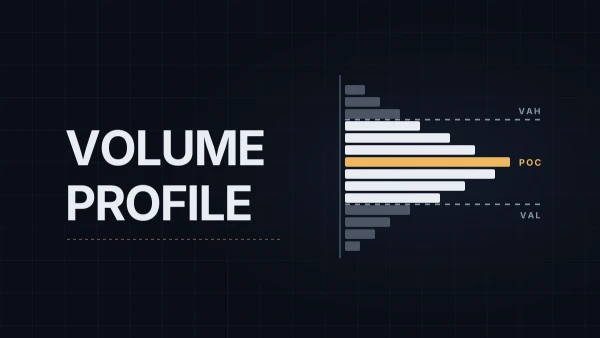
- Order Flow+ Volume Profile in NinjaTrader 8: Session, Composite and Custom Profiles NinjaTrader 8 has two volume profiles, and only the Order Flow+ one builds history without Tick Replay and adds value areas and naked POCs. Setting it up for NQ: the settings that matter, session and composite profiles, the drawing tool, and when a free TradingView profile does the job.
- Evaluation Fee Refunds: When Futures Prop Firms Return the Fee and What It Takes "Fee refunded with your first payout" is mostly a forex and CFD promise; none of 11 futures prop firms checked offers it. The fee is the cost of the attempt, and what remains are short refund windows and change-of-mind refunds, most of them only for accounts that haven't been traded.
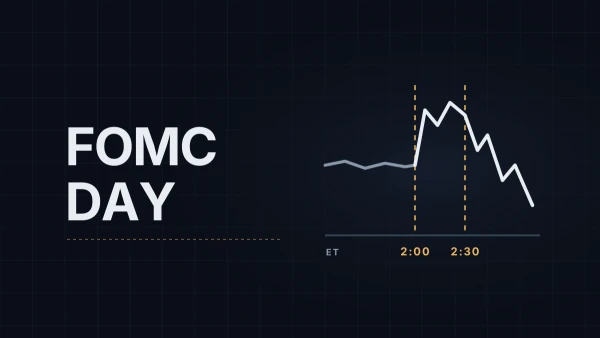
- FOMC Day on NQ: The 2:00 PM Statement, the 2:30 Press Conference and Meetings Without Projections An FOMC day follows a fixed script: a blackout, a statement at 2:00 PM ET, a press conference half an hour later, minutes three weeks on. The timeline for the October 28, 2026 meeting in ET and Central European time, what moves NQ at each step, and what changes when a meeting has no projections.
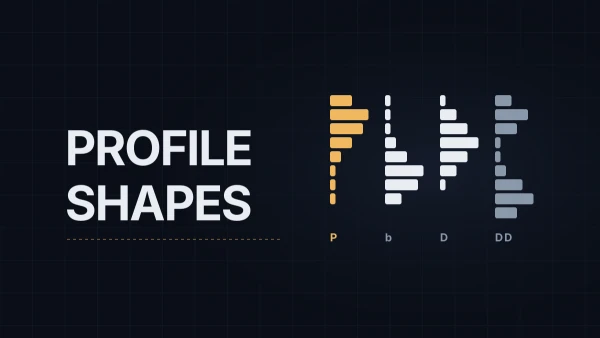
- Market Profile Shapes on NQ: P, b, D and Double-Distribution Days Two sessions with the same high, low and close can leave very different Market Profiles. What the P, b, D and double-distribution shapes record, why a P is not proof of short covering, how a D differs from Dalton's normal day, and how session window and row size reshape the picture.
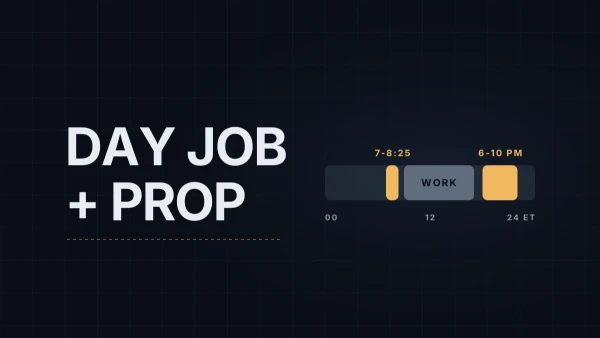
- Prop Trading Around a Day Job: Session Choice, Time Budget and the Rules That Bite A day job doesn't stop anyone from trading a prop account, but it changes which hours are tradeable and which rules become binding. Four NQ windows that fit around work in New York and in Europe, a realistic time budget, and the inactivity, minimum-day and evaluation-clock rules at four firms.
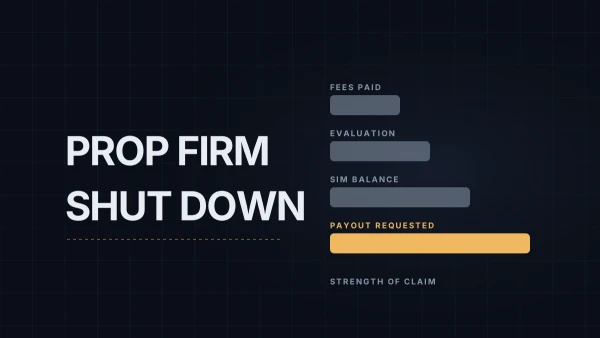
- When a Prop Firm Shuts Down: Refunds, Pending Payouts and What Past Closures Showed When a prop firm closes, what a trader gets back depends on what they held: a fee, an evaluation in progress, a funded balance or a payout already requested. Six closures and shutdowns from 2023 to 2026, what each did with the money, the signs that came first, and how to keep less at stake.
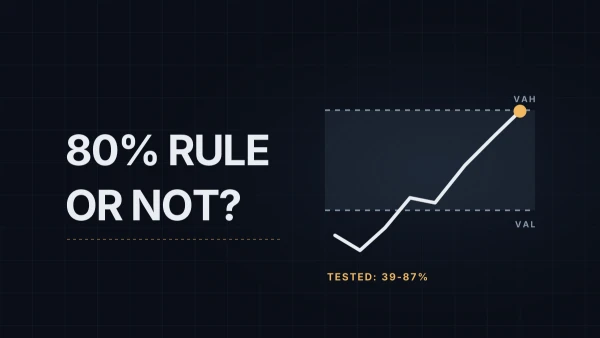
- The 80% Rule on NQ: Value Area Re-Entry and What the Numbers Say Open outside yesterday's value area, trade back inside for two 30-minute periods, and the market supposedly crosses to the other side 80% of the time. Where the 80% rule comes from, what the few published tests found, what a re-entry trade pays per point of risk, and how to define it before testing.
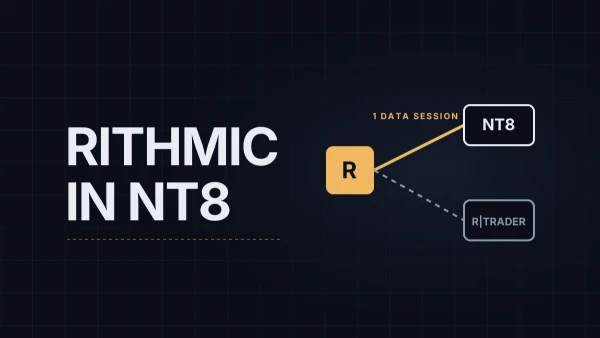
- Rithmic in NinjaTrader 8: Connecting a Prop Account and What Differs From Tradovate A Rithmic prop account reaches NinjaTrader 8 through its own connection type, and most failed first logins trace back to two steps outside NinjaTrader. The setup in order, running Rithmic's own app next to it, what changes against the Tradovate route, and the error messages with their fixes.
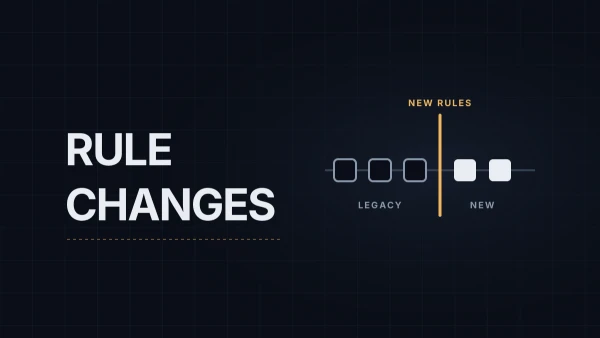
- When a Prop Firm Changes Its Rules: Grandfathering, Retroactive Changes and How to Track Updates Futures prop firms rewrite their rules every few months, and the terms let them. Whether a change reaches the account you already paid for depends on the rollout: new accounts only, existing accounts from a date, or trades already made. Cases from 2024 to 2026 and a routine for tracking updates.
- NQ Week Ahead (Oct 26–30, 2026): Fed, Big Tech Earnings, PCE and the Lost 2026 POC NQ lost 865 points on Thursday and closed the week at 29,117.75. The levels around the 2026 POC and Friday's low, plus a 19-hour window with the Fed, Microsoft, Alphabet, GDP, PCE and the ECB, every time in ET and CET.
- NinjaTrader Trading Hours Templates: RTH vs ETH, Session Breaks and Why Your Levels Change Every NinjaTrader 8 chart takes its session from a trading hours template, and the template decides what "yesterday" means for prior-day levels, where VWAP and session profiles start, and where range bars break. RTH vs ETH on NQ, the hour most traders don't expect, and how to build your own.
- Trading NQ From Europe: A Practical Day Plan Around the 8:30 ET Data and the US Open A European trader gets five and a half hours of NQ before the main US data, then the US open an hour later. The day in CET, UK time and ET, three ways to cut it with the cost of each, what a data day changes, and the weeks when clocks or holidays on the two continents don't match.
- Are Futures Prop Firms Regulated? What the CFTC and NFA Cover and Where Firms Are Moving The evaluation you pay for is a simulated account, and US futures registration is built around real orders and customer money. What the CFTC and NFA regulate, why most prop firms sit outside it, what the My Forex Funds case did and didn't decide, and two registered brokerages launched in 2026.
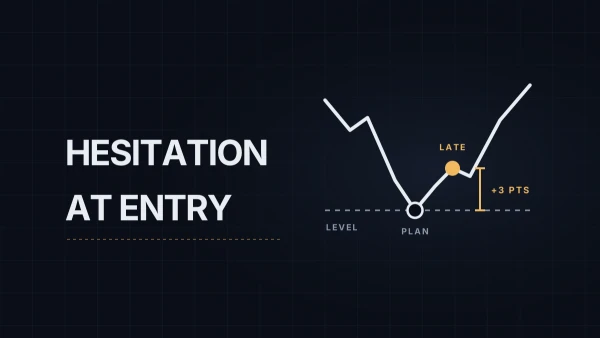
- Hesitation at the Entry: Why Traders Freeze on Valid Setups and What to Measure Hesitation costs twice: the late entry shrinks the reward per unit of risk, and the skipped trades are rarely random. A worked example in R, a simple log for signals taken and skipped, and four ways traders take the decision out of the moment, each with its own cost.
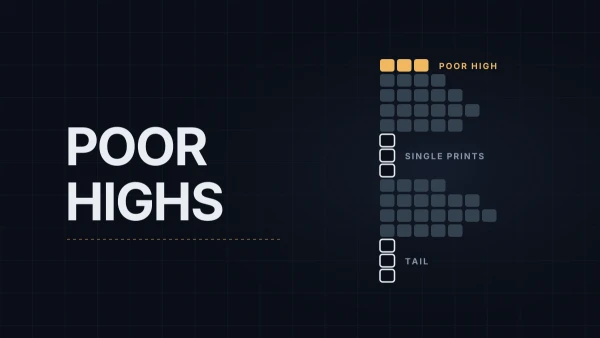
- Poor Highs, Poor Lows and Single Prints: Market Profile Clues on NQ Three Market Profile terms for unfinished business: the poor high, the poor low and single prints. What each looks like in the letters, how it differs from a tail of excess, why row size and session choice change the picture, and why an unfinished auction is a hypothesis rather than a target.
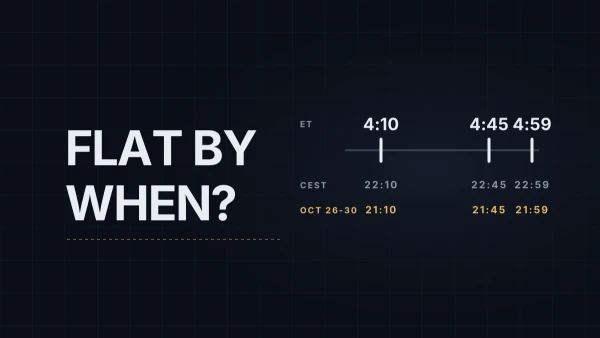
- Prop Firm Trading Day: Flat-By Times, Daily Resets and What the Clock Change Moves Every futures prop firm runs its rules on a trading day with fixed US start and end times: when you must be flat, when the daily loss limit resets, when the end-of-day drawdown is measured. Topstep, Lucid and Apex compared, converted to European time, including the week the clocks disagree.
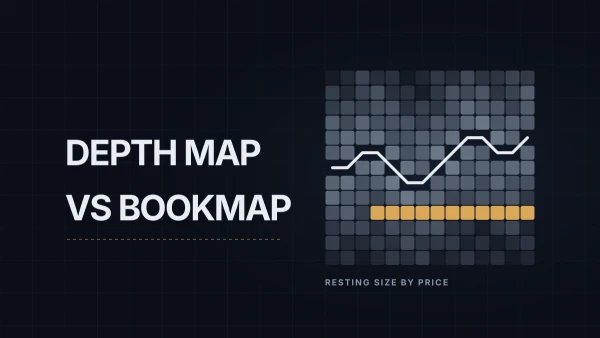
- NinjaTrader Market Depth Map vs Bookmap: Two Ways to See the NQ Order Book Order Flow+ already paints the order book behind your NinjaTrader bars, so is Bookmap worth a second window and a second bill? What the Market Depth Map draws and its settings, where Bookmap goes further on depth, history and individual orders, and the price of each at the time of writing.
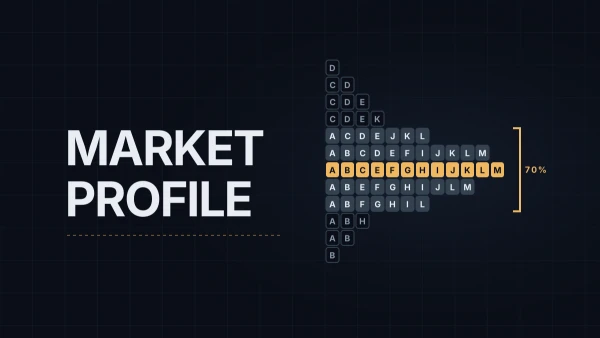
- Market Profile (TPO) on NQ: Letters, Value Area and How It Differs From Volume Profile A volume profile shows where contracts traded; a Market Profile shows where the market spent time. How TPO letters build one NQ session, how the point of control and the 70% value area are counted, why time and volume disagree on some days, and where to show TPO in TradingView and NinjaTrader 8.
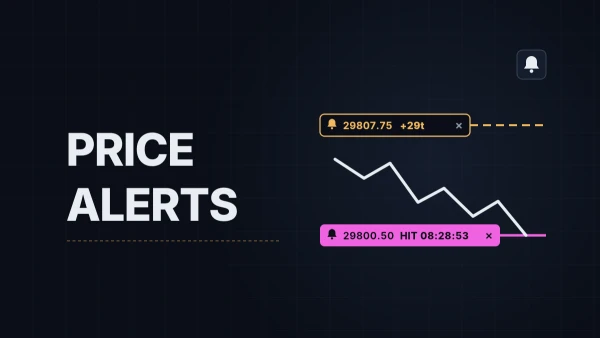
- Price Alerts on the NinjaTrader Chart: Setting Up WotT Tripwire A few prices need a sound during the session, and NinjaTrader's own alert takes a dialog for each one. WotT Tripwire sets one with a drag on any NinjaTrader 8 chart: installing it, what the lines and labels mean, when it fires, the settings that matter, three setups, and what it doesn't do.
- Why Prop Firm Payouts Get Denied or Delayed: What the Risk Desk Reviews Most denied payouts aren't a verdict on the trading. Some fail on a balance that dropped after the request, some on a name that doesn't match the bank account, a few on practices the firm bans. The five groups of reasons, normal processing times at five futures firms, and the records worth keeping.
No posts in this hub on this page yet.
On YouTube
Session recordings with commentary are coming to the channel. Subscribe to catch the first one.
Subscribe on YouTube