
All posts
Market notes, session journals, weekly reviews and everything in between, newest first.
Newest first
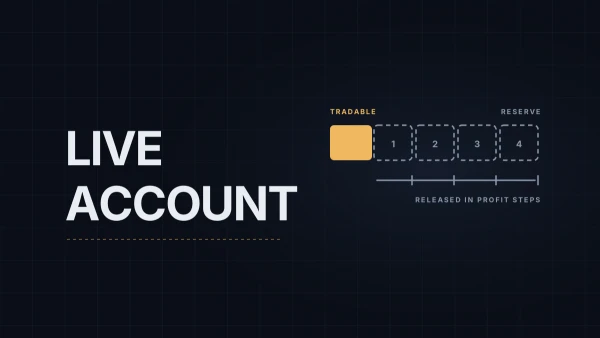
- From Sim-Funded to Live: What Changes When a Prop Firm Moves You to Real Capital Most "funded" futures accounts are simulated, and the move to real capital is decided by the firm, not by you. What carries over when it happens, why the starting balance is smaller than the account size, which rules change, and why fills on a live account can look worse than the sim ever did.
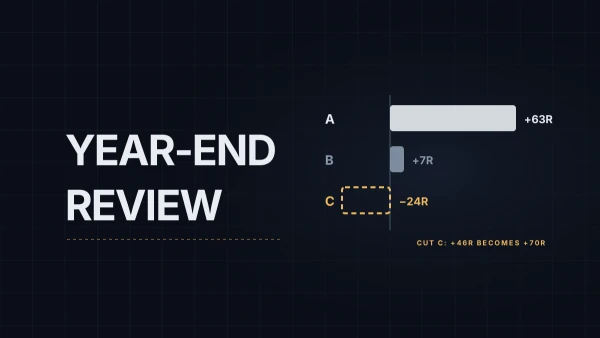
- A Year-End Trading Review: The Numbers to Pull, the Journal to Reread and the Rules to Change A year of trades is the biggest sample most discretionary traders ever get to look at. A review in four passes: the numbers after every cost, the split by setup and grade, a reread of the best and worst days, and at most three rule changes written into next year's plan.
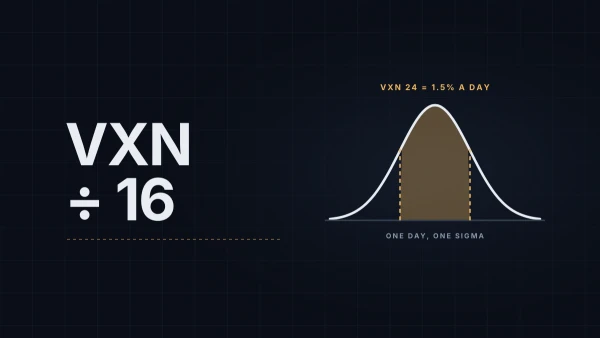
- VXN and VIX for NQ Traders: Turning a Volatility Index Into an Expected Daily Move The VIX gets the headlines, but the Nasdaq-100 has its own volatility index, and one division turns it into an expected move in NQ points. What VXN measures, how to convert it to a daily and monthly move, why it usually sits above the VIX, and the three places the conversion breaks down.
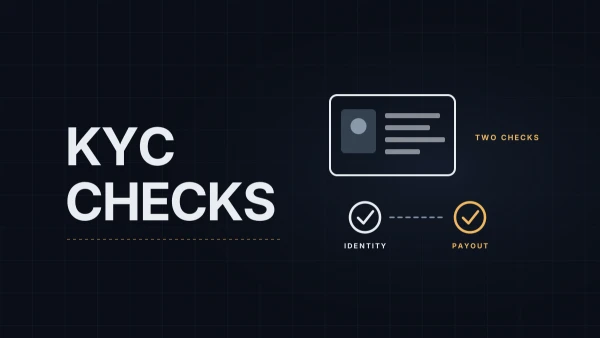
- Prop Firm KYC and Identity Verification: When It Happens, What It Asks For and Why Payouts Stall Most traders meet a prop firm's identity check at the worst moment: the first payout request. When firms run KYC, what documents they want, why the payment provider checks you again, and the small mismatches (a name, an address, a VPN) that turn a two-day payout into a two-week one.
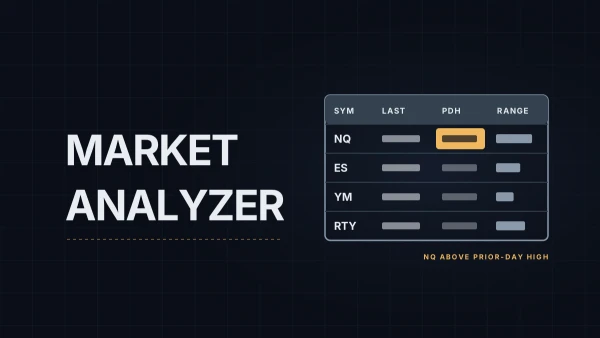
- NinjaTrader Market Analyzer: Building an Index Futures Watchlist With Indicator Columns The Market Analyzer is NinjaTrader's quote sheet, and most traders never get past the price column. A four-row watchlist for NQ, ES, YM and RTY with prior-day levels and daily range next to the last price, colored by rules you set, linked to your chart and light on resources.
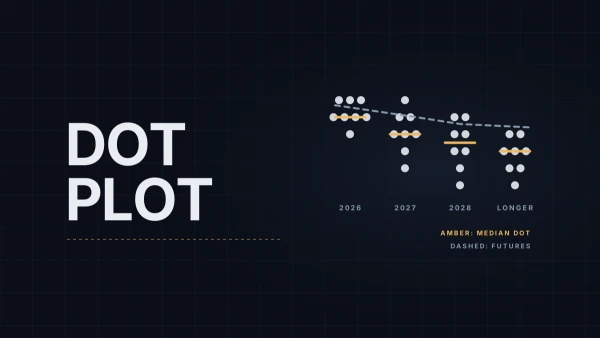
- The Fed's Dot Plot and Summary of Economic Projections: How NQ Reads a December FOMC In 2026 four Fed meetings come with a chart of dots, and those are the ones where NQ often moves twice. What the Summary of Economic Projections holds, how the median dot compares with what futures already price, why that matters for Nasdaq stocks, and how not to overread a single dot.
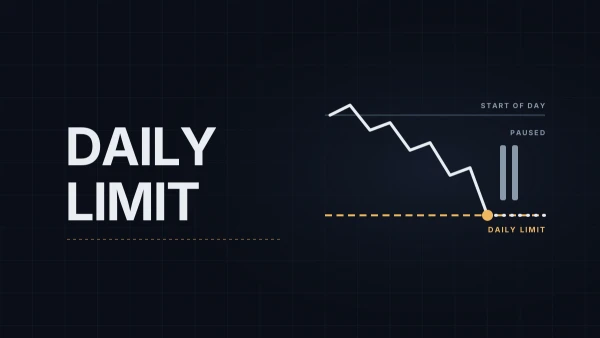
- Daily Loss Limits at Prop Firms: Soft Pause, Hard Breach and How They Differ From the Max Loss A daily loss limit stops your day; the max loss limit ends your account. Most futures firms now treat the first as a pause, some make it optional, and one bad assumption about what it counts can still cost you an account. How the rule works at three firms at the time of writing, with the arithmetic.
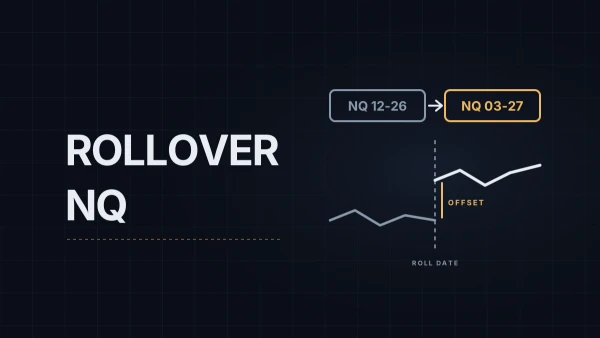
- Rolling Over NQ in NinjaTrader 8: Merge Policy, Continuous Charts and the December Roll Four times a year NQ moves to a new contract month, and NinjaTrader decides how your history, levels and alerts move with it. Where the rollover date and offset live, what the three merge policies do, why hand-drawn levels end up at the wrong price, and what to do with anything still open.
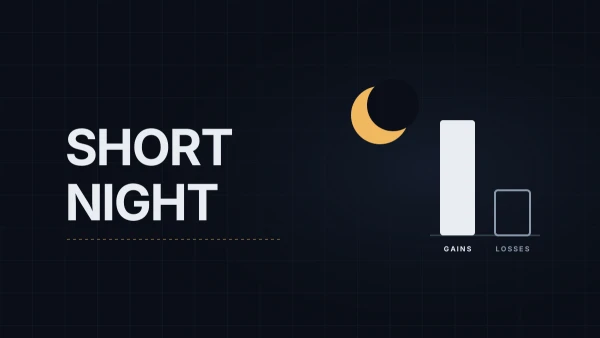
- Sleep, Fatigue and Trading Decisions: What a Short Night Does to Risk-Taking A trader who slept four hours doesn't feel reckless. He feels slow and otherwise fine, and that is the problem: the changes that matter for trading are the ones you don't notice. What sleep studies found about gains, losses and attention, how it shows at the screen, and how to plan for it.
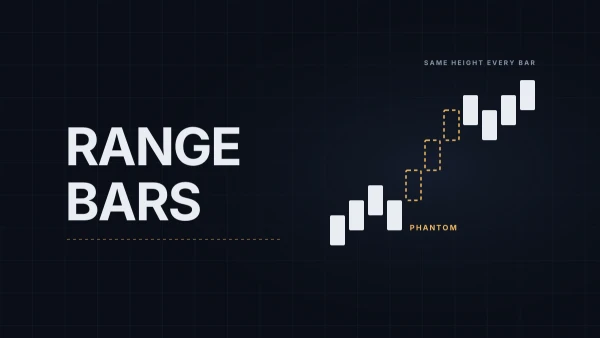
- Range Bars in NinjaTrader 8: How They Form and What Backtests on Them Get Wrong A range bar ends when price has covered a set number of ticks. That makes charts cleaner and backtests worse: every close sits at an extreme, gaps fill with bars nobody traded, and fills inside a bar are guessed. How NinjaTrader 8 builds range bars and how to test on them without fooling yourself.
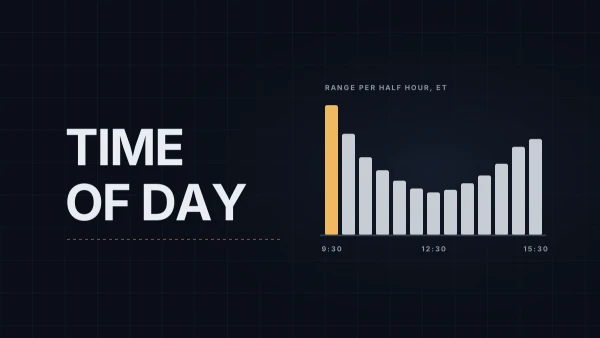
- NQ Volatility by Time of Day: The Morning Spike, the Lunch Lull and the Last Hour The same 20-point stop is a different trade at 9:35 and at 12:30. Volatility on NQ is spread unevenly through the day in a pattern researchers have measured for decades. The windows from the Globex reopen to the maintenance break, why the day has that shape, and how to measure it yourself.
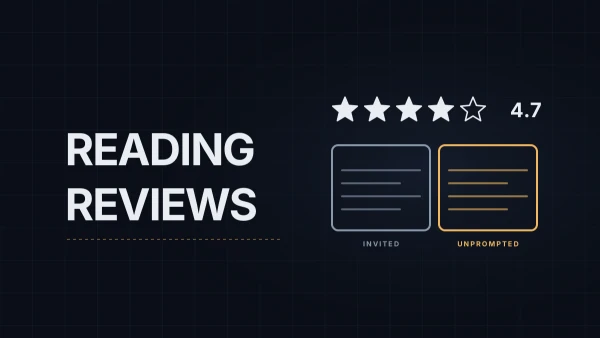
- How to Read Prop Firm Reviews: Trustpilot Patterns, Payout Proof and What Complaints Reveal At firms that invite reviews, a 4.7 from thousands of reviews mostly measures how many happy customers they asked. The useful signal sits in narrower places: the notice above the stars, review labels and dates, the rule each 1-star complaint cites, and how the firm answers. Six things to read.
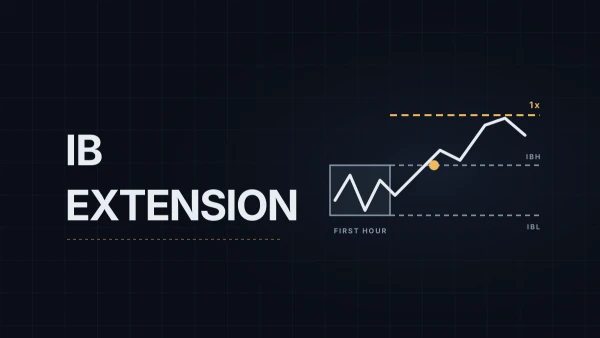
- Initial Balance Extensions: How Often NQ Breaks the First Hour's Range The first hour's high or low breaks on nearly every NQ session, so a break alone tells you little. The useful part is which side goes first, how far it travels and how that depends on the size of the first hour. Published statistics from two sources, their limits, and how to build your own count.
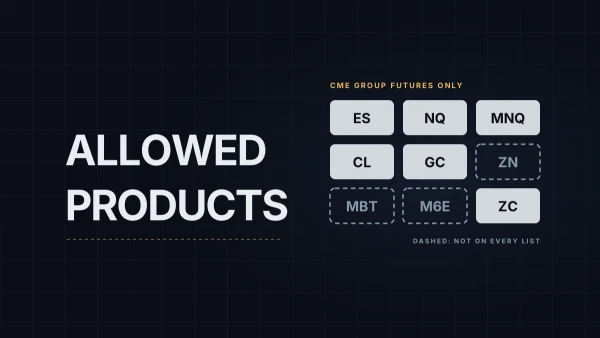
- What You Can Trade on a Futures Prop Account: Allowed Products, Micro Limits and Restricted Contracts CME Group futures and almost nothing else: that part barely changes from firm to firm. The approved lists differ more than marketing suggests, micros count against the contract limit, and some limits sit outside the list. Two firms' lists compared, plus the rules on closes, price limits and news.
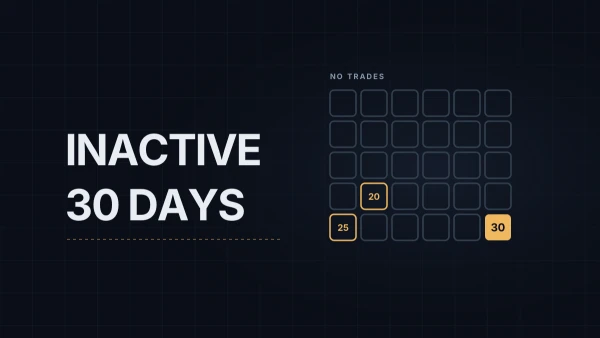
- Inactivity Rules and Account Expiry: How Prop Accounts Close Quietly No loss, no breach, and the account is gone anyway. Most futures prop firms close accounts that sit unused too long, and at one large firm a trade isn't even enough to reset the clock. The limits at four firms at the time of writing, and how to keep a holiday from costing you a funded account.
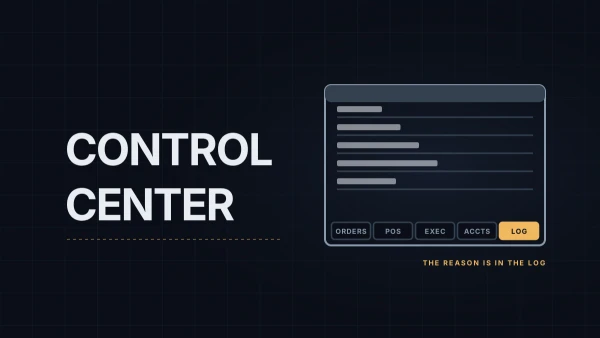
- NinjaTrader 8 Control Center Explained: Orders, Executions, Positions, Accounts and the Log You click Buy and nothing happens. The reason is written down one tab away from where most traders look. A guide to the Control Center tabs (Positions, Orders, Executions, Accounts, Log, Strategies, Messages), what each one shows, and the few settings worth making once.
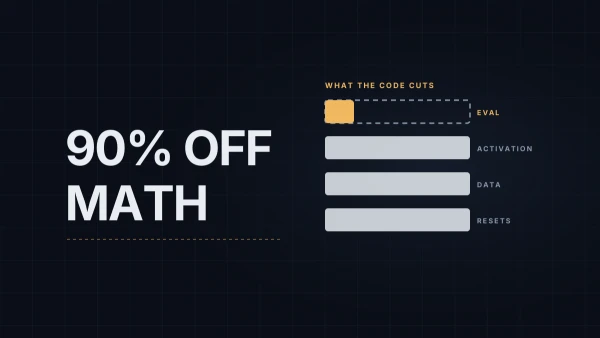
- Prop Firm Sales and Discount Codes: What a 90% Off Evaluation Really Costs A Black Friday code cuts the price of an attempt. Often it leaves the activation fee and later subscription months untouched, and it never changes the number of attempts you need. The expected cost of one funded account at three pass rates, with and without a discount, and a checklist for the cart.
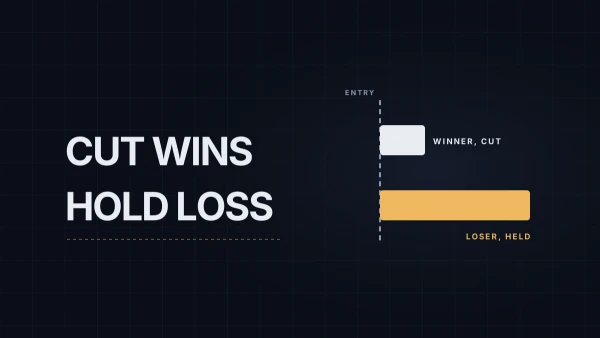
- Loss Aversion and the Disposition Effect: Why Traders Cut Winners and Hold Losers Selling a winner feels like locking in a gain. Closing a loser feels like making it real. That asymmetry is the disposition effect, and it shows up in stock accounts, on the CME floor and in Korean index futures. What the studies found, how to spot it in your trades, and two rules that blunt it.
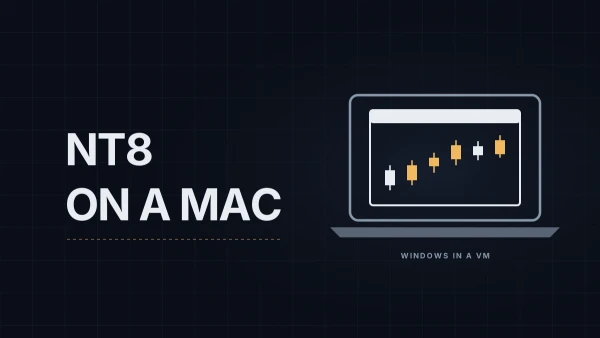
- NinjaTrader 8 on a Mac: Parallels, Cloud Windows and What Works for Futures Traders NinjaTrader 8 is a Windows program, and NinjaTrader doesn't officially support Macs or virtual machines. Plenty of traders run it on one anyway. The five routes at the time of writing, what changes on Apple Silicon, and why a cloud Windows PC can break your prop firm's rules.
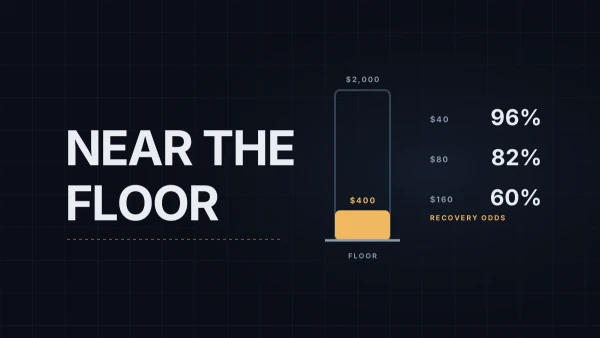
- Near the Floor on a Funded Account: Size Down, Pause or Let It Go Your funded account has $400 left above the floor. Trading bigger to win it back fast is the instinct, and the numbers say it's the worst way to try. What 40,000 simulated paths show at three risk sizes, why size stops mattering without an edge, and when pausing or letting go is the better call.
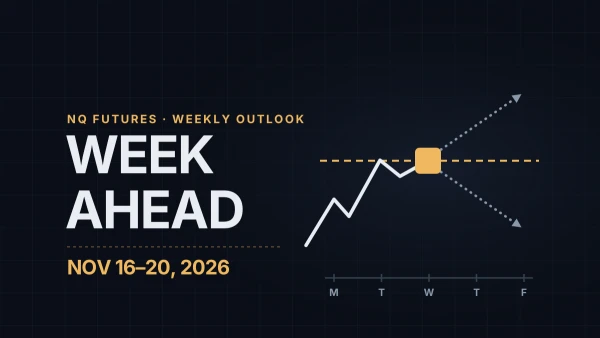
- NQ Week Ahead (Nov 16–20, 2026): Nvidia Without Huang, the Anthropic IPO and Fed Minutes Nvidia reports Tuesday for the first time without Jensen Huang, 40 minutes before NQ's daily halt, and Anthropic is expected to list on Thursday. The levels around Friday's 28,034.75 settlement, an inside week that stalled under the 200-day average, and every event in ET and CET.
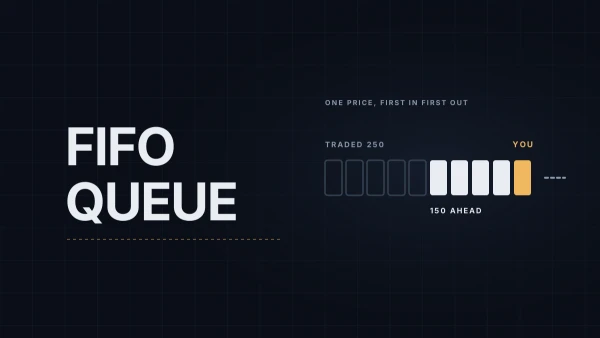
- How CME Matches Orders: FIFO, Queue Position and Why Your Limit Didn't Fill Price touched your limit and you got nothing. On NQ, orders at the same price fill in the order they arrived, so a touch only fills the traders ahead of you. How the queue works, which order changes reset your place, and why NinjaTrader's sim fills only approximate the exchange's.
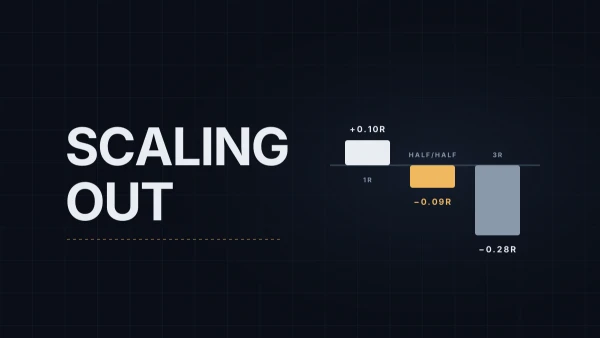
- Scaling Out vs One Exit: What Partial Profits Do to Expectancy Taking half off at 1R and letting the rest run feels like the best of both. On 100 hypothetical trades with the same entries and stops, it never beat the best single exit. What scaling out does change (the swings, the win rate, how the trade feels) and when that's worth paying for.
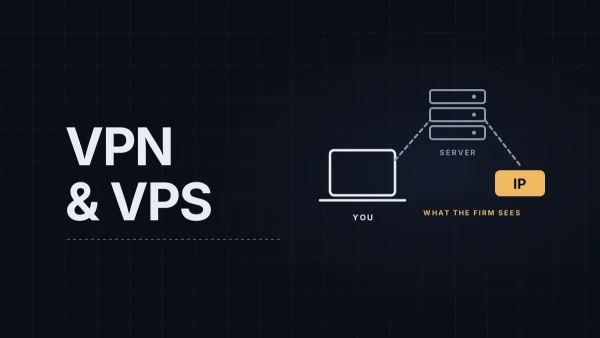
- VPN, VPS and Device Rules at Prop Firms: Why Your IP Address Matters Most futures prop firms ban VPNs. VPS rules split: some firms allow a remote server, others prohibit it outright. What six firms say at the time of writing, why the IP address behind your orders matters to them, and how to get a written answer before you trade from a server or a hotel room.
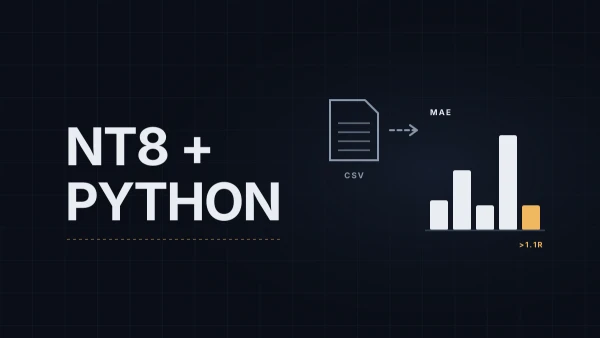
- Analyzing NinjaTrader Trades in Python: From CSV Export to Expectancy and MAE Tables NinjaTrader's Trade Performance window answers the questions it was built for. Python answers yours. A tested pandas script that reads the NT8 trade export (commas or semicolons, dollars or decimal commas) and prints expectancy in R, max drawdown, MAE by outcome and results by entry hour.
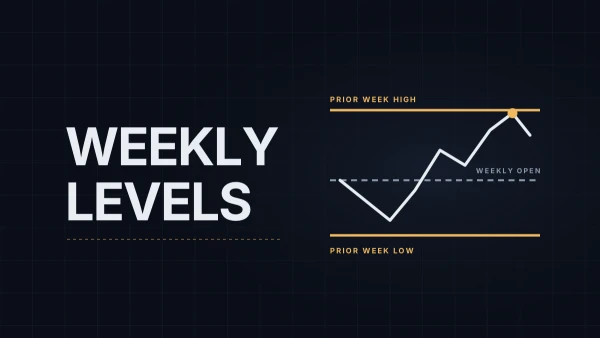
- Weekly and Monthly Levels on NQ: Prior Week High and Low, the Weekly Open and When They Matter Prior day high and low get redrawn every morning. The prior week's high and low, the weekly open and last month's range change far less often, and that's what gives them weight. Which levels to draw, why your session template changes them, and when they matter more than the daily ones.
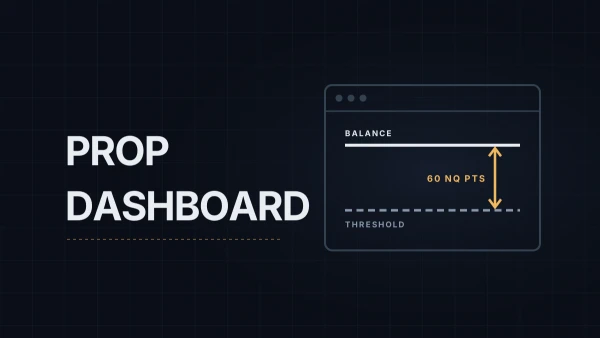
- Reading Your Prop Dashboard: Balance, Trailing Threshold and Why NinjaTrader Often Doesn't Show Them NinjaTrader shows your balance. The number that ends the account is the firm's, and it reaches NT8 only on some connections. Where the trailing threshold lives (firm dashboard, R Trader Pro, Tradovate), what the NT8 column shows, and how to turn the dollar cushion into NQ points before the open.
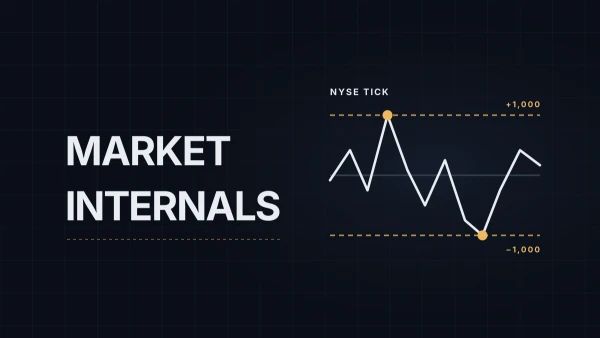
- Market Internals for NQ: NYSE TICK, ADD and VOLD Explained NQ is up 80 points, but is the whole market buying or are five megacaps carrying the index? NYSE TICK, ADD and VOLD answer that. What each one counts, how the readings look on trend and range days, why NQ can diverge from them, and how to get them in TradingView and NinjaTrader.
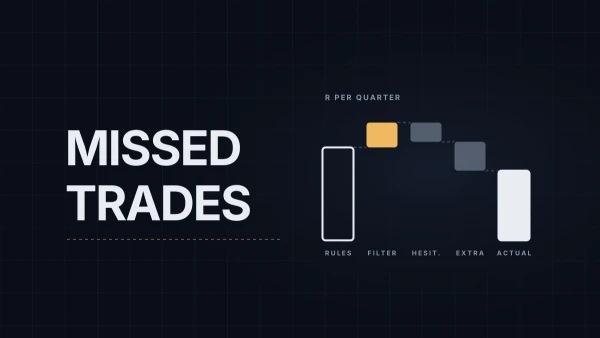
- Logging the Trades You Didn't Take: Measuring What Discretion Adds A discretionary trader runs two strategies at once: the written setup, and the judgment about which signals to take. Logging skipped signals and off-plan trades next to the taken ones shows which of the two makes money, and splitting the skips by reason shows where judgment helps and where it costs.
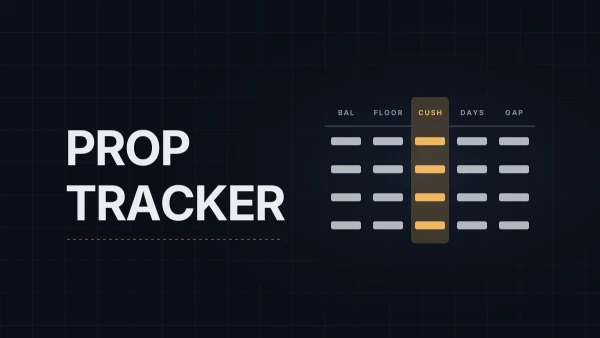
- Prop Account Tracker: Five Numbers to Log Every Day, With a Template A prop account can be one bad day from closing or one good day from a payout, and the dashboard rarely shows both at once. Five numbers to log after every session, a week of example rows, spreadsheet formulas you can copy, and how to track several accounts in one sheet.
No posts in this hub on this page yet.
On YouTube
Session recordings with commentary are coming to the channel. Subscribe to catch the first one.
Subscribe on YouTube