
All posts
Market notes, session journals, weekly reviews and everything in between, newest first.
Newest first
- NinjaTrader 8 Alerts to Your Phone: Price Alerts, Email, SMS and Telegram Notifications A NinjaTrader 8 alert rings on the PC and nowhere else until it gets a Share action. Setting up the email service, pointing an alert at it with a chart screenshot, what's left of SMS gateways, a Telegram bot, and the one thing no setting fixes: the PC has to be on.
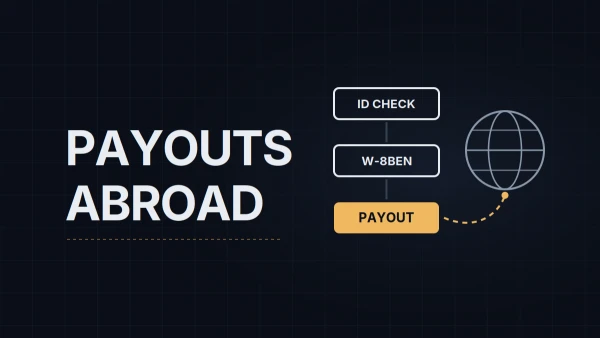
- Getting Paid Outside the US: Prop Firm Payout Methods, KYC, W-8BEN and Timelines A payout outside the US takes a different route, often needs an ID check and a W-8BEN, and can spend close to three weeks in transit. What Lucid, Topstep, Apex and Take Profit Trader offer non-US traders at the time of writing, who they exclude, and how long the money takes.
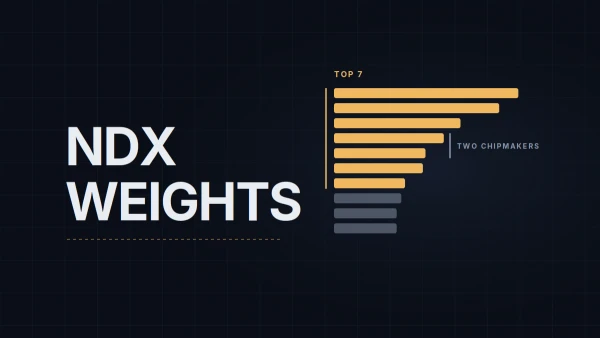
- Nasdaq-100 Weights: Top Holdings, the December Reconstitution and Why Seven Stocks Move NQ Ten securities are 47% of the Nasdaq-100. The top ten with their weights at the time of writing, the float and concentration rules behind them, the December 2026 reconstitution dates, and the weight-times-move arithmetic that lets one earnings report move NQ overnight.
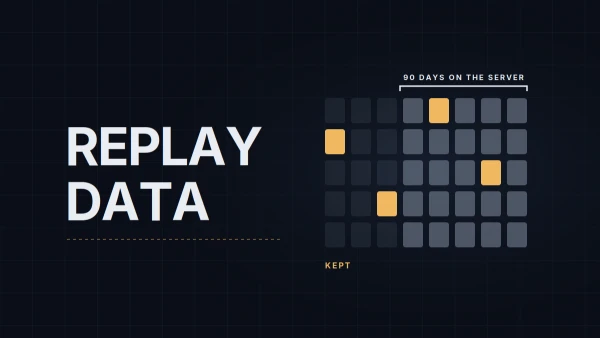
- Market Replay Data in NinjaTrader 8: Downloading, Storing and Managing Your Sessions Replay sessions age off NinjaTrader's servers after about 90 days, so the ones worth keeping have to be saved. How downloads work, what a replay file holds that tick data doesn't, where NinjaTrader 8 stores it, how much room NQ takes, recording your own sessions, and fixing a failed download.
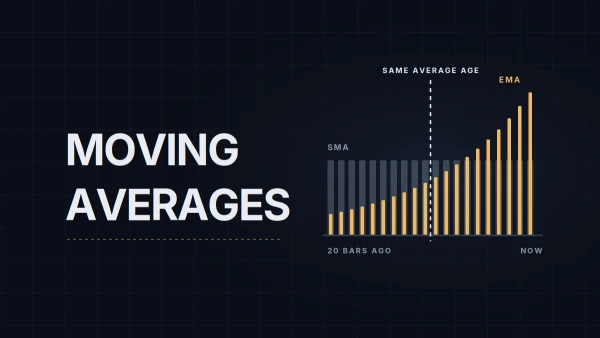
- Moving Averages: What They Measure and Why Most Settings Are Arbitrary A moving average summarizes recent closes, and the settings traders argue about change less than they think: an EMA(20) is no younger on average than an SMA(20). The arithmetic of SMA, EMA and WMA, where 20, 50 and 200 came from, and the one condition that turns an average into a level.
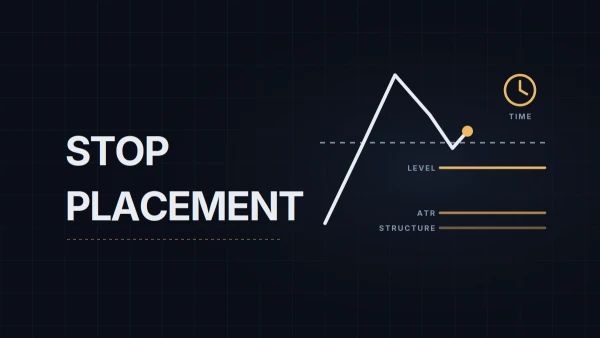
- Stop Placement on NQ: Behind the Level, ATR-Based, Structure-Based and Time-Based The same long on NQ with the stop behind the level, at 1.5 ATR, below the last swing low, or on a clock. Where each one goes, what it costs in contracts and in reward-to-risk, which trades it loses, and how traders combine two of them into one rule.
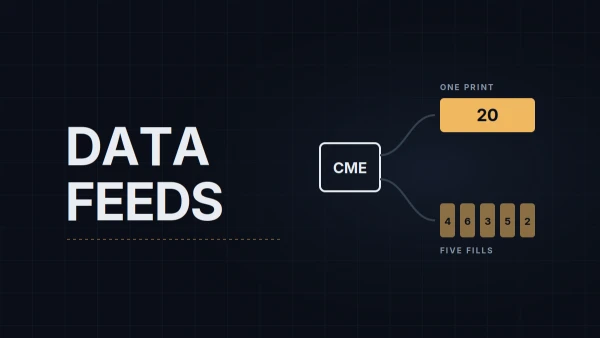
- Prop Firm Data Feeds: Tradovate/CQG vs Rithmic and What Differs on the Chart Many futures prop firms make you pick Rithmic or Tradovate before you know what it changes. How each route packages CME's trades, why a tick chart and a large-trade filter behave differently on them, depth and MBO, where NinjaTrader's history comes from, and which firm offers which.
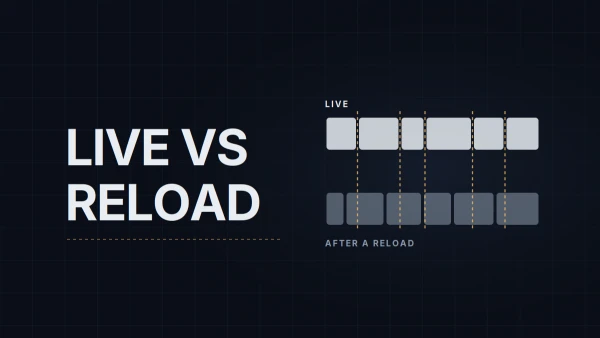
- Historical vs Real-Time Data in NinjaTrader 8: Reload, Tick Replay and Why Bars Change After a Restart A tick chart that looked one way at 10:15 AM ET looks different after a restart at 11:00, and nothing is broken. How NinjaTrader 8 builds bars from live ticks and from its historical servers, why the two disagree, what Reload All Historical Data and Tick Replay each fix, and what they cost.
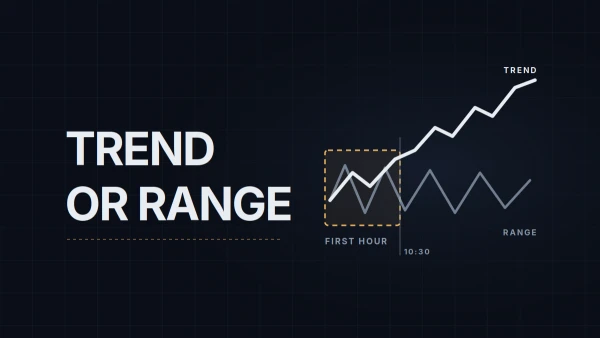
- Trend Day or Range Day: Early Signs on NQ Before 10:30 AM ET A trend day and a range day reward opposite trades, and the call gets made before 10:30 AM ET. What the overnight range, the open, dealer gamma, the first pullback, first-hour volume, VWAP and the IB's width each say, when each one is known, and what they're worth added together.
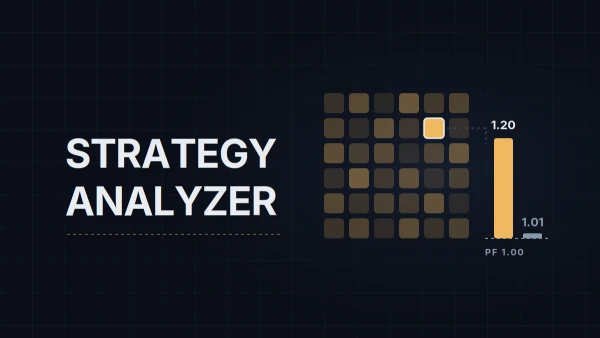
- Strategy Analyzer in NinjaTrader 8: Backtesting a Simple Rule Without Writing Code Three windows and no code: the Strategy Builder for the rule, the Strategy Analyzer for the test, and a few settings in between that decide whether the fills are believable. A worked opening range breakout, the report lines worth reading, and what optimization does to a rule with no edge in it.
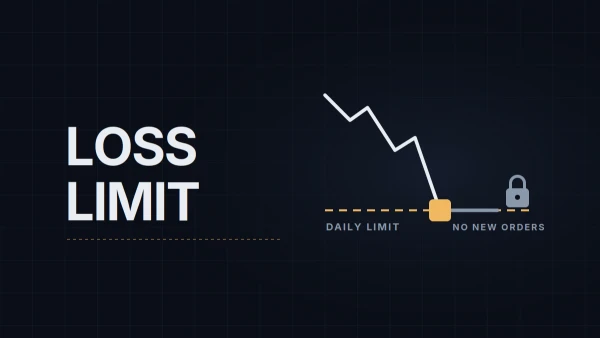
- Enforcing a Daily Loss Limit in NinjaTrader 8: Account Risk Settings, ATM Limits and Lockout Add-Ons NinjaTrader 8 can close positions at a set time and show how much of a limit you've used, but the limit that flattens the account and ends the day lives elsewhere: on a server, in a lockout you start by hand or in an add-on. What each one does when it matters.
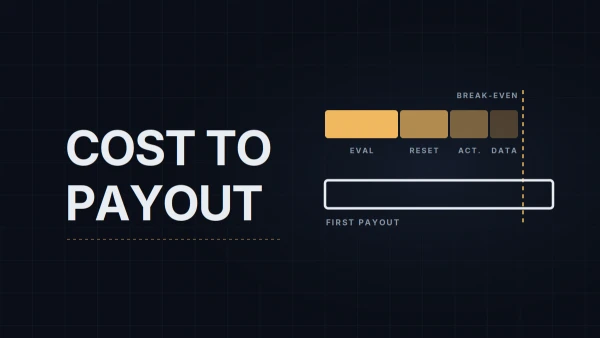
- One-Step vs Two-Step Evaluations, Activation Fees and Resets: The Total Cost to a First Payout Futures firms sell one-step evaluations, and the second step hides in the funded account's payout gate. The whole bill on four price plans, evaluation, reset, activation and data, the month where Topstep's no-activation option stops being cheaper, and what the first payout has to cover.
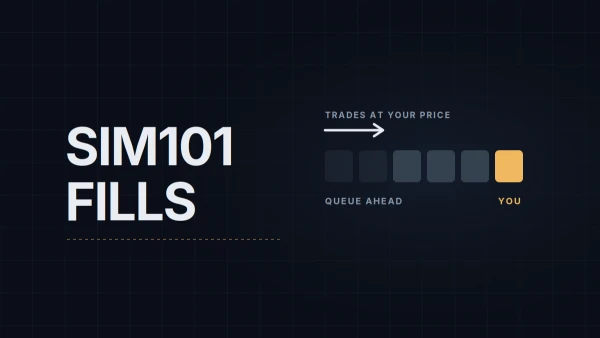
- NinjaTrader 8 Sim101: Fill Logic, Slippage Settings and Why a Prop Sim Feels Different A limit order fills on Sim101 and not on the evaluation because two different engines on two different computers decide. How NinjaTrader's local simulator fills market, limit and stop orders, the settings that change it, where slippage lives, and what a Tradovate or Rithmic prop sim does instead.
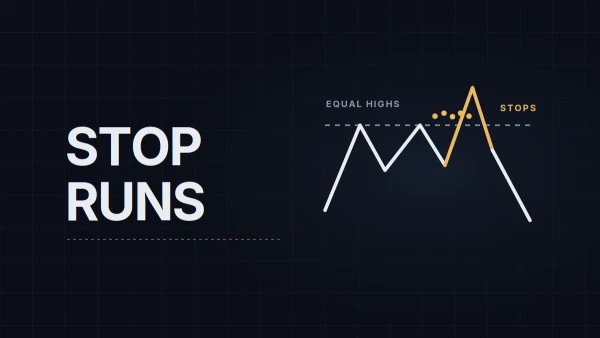
- Liquidity Sweeps, Equal Highs and Stop Runs on NQ: What Is Mechanical and What Is Folklore Equal highs collect stops, triggered stops become a burst of aggressive orders, and a large seller can fill against the burst: mechanics you can watch on a heatmap once the stops fire. That someone drove price there on purpose, or that a sweep predicts a reversal, is not. The two separated, on NQ.
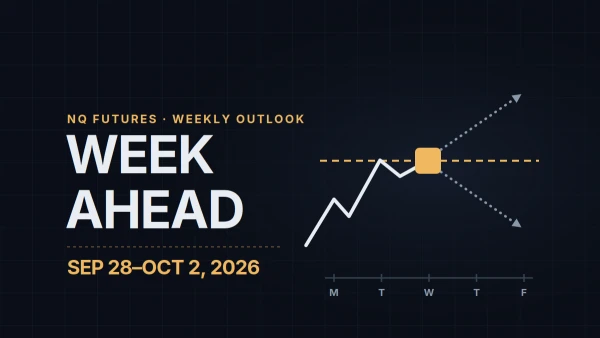
- NQ Week Ahead (Sep 28–Oct 2, 2026): PCE, Micron, Payrolls and a Breakout Under Test NQ broke out of a five-week range last week and settled Friday at 30,889, inside the value it built on the way up. Oil, core PCE, Micron and September payrolls now test the breakout, in that order.
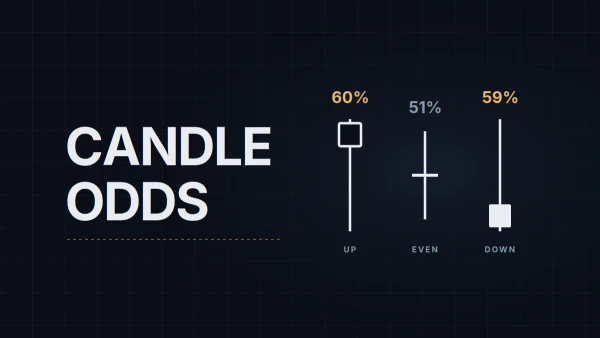
- Candlestick Patterns That Matter and Those That Don't, With Base Rates Most famous candlestick patterns land near a coin flip when counted, and the few with big numbers owe part of them to where the pattern closed. Bulkowski's figures read by shape instead of name, the base rate every hit rate needs, and what tests on intraday futures found.
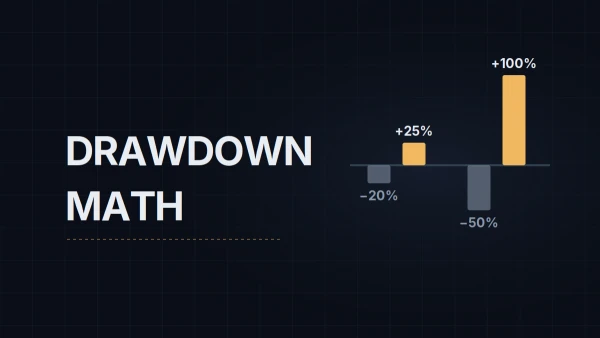
- Drawdown Math: Why a 20% Loss Needs 25% to Recover, and What That Means for a Cushion Losing and winning back are measured against different bases, so a drawdown always needs a bigger gain than the loss. Where that asymmetry is real and where it isn't, the volatility drag behind it, and how the table reads on a prop account where the cushion, not the balance, is the base.
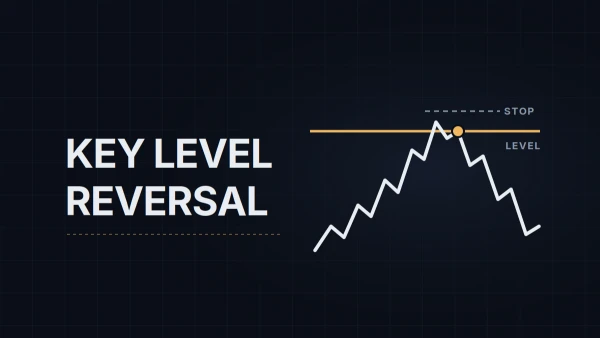
- Reversal Trades at Key Levels: Confirmation, Invalidation and Where the Stop Goes A reversal at a key level is three choices made before the trade: what confirms it, what proves it wrong and where the stop goes. The same short at yesterday's high entered three ways, with what each confirmation costs in points, in missed trades and in false starts.
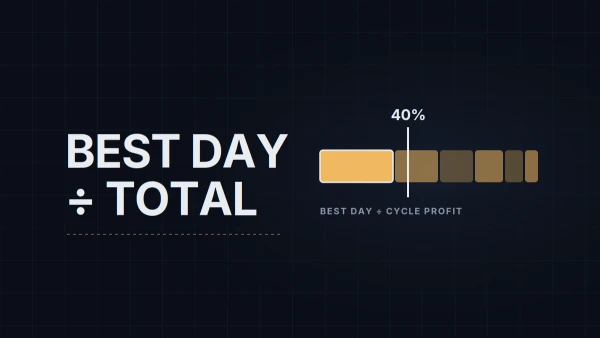
- Consistency Math: Sizing a Payout Cycle So a Good Day Never Blocks the Payout A consistency rule is two divisions and one uncomfortable fact: it depends on the shape of your days, not on your size. The largest day each cycle allows at 20%, 40% and 50%, how many sessions the same trader needs under each rule, and how Lucid and Apex apply it at the time of writing.
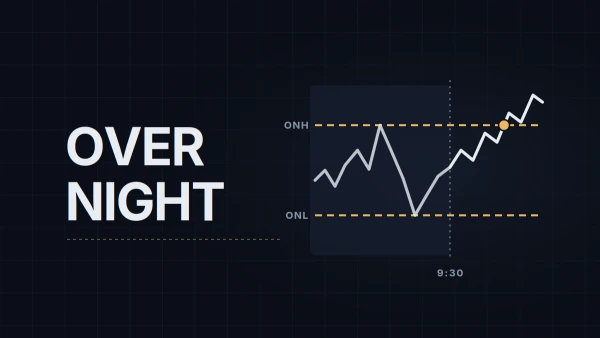
- Overnight Session on NQ: How Globex Sets Up the RTH Day The overnight session trades a fraction of the day's volume and still draws the lines the cash session tests first. What RTH does with the overnight high and low, why the open's place in the range hints at which side breaks first, and what the width of the night does and doesn't tell you.
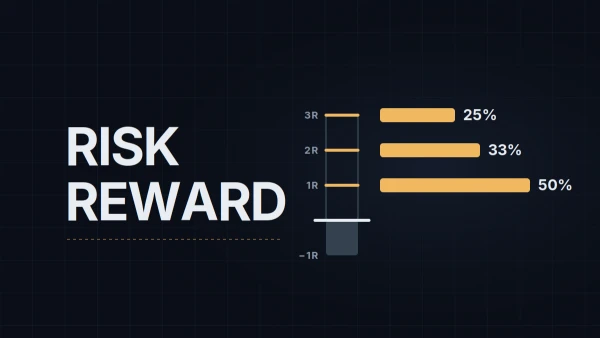
- Risk-Reward Ratio Explained: Why 1:2 Isn't a Rule The ratio chosen at entry doesn't create an edge: move the target and the win rate moves with it. Two hypothetical setups show why one pays best at 1R and the other at 3R, what costs do to tight stops, and the one job a minimum ratio does well.
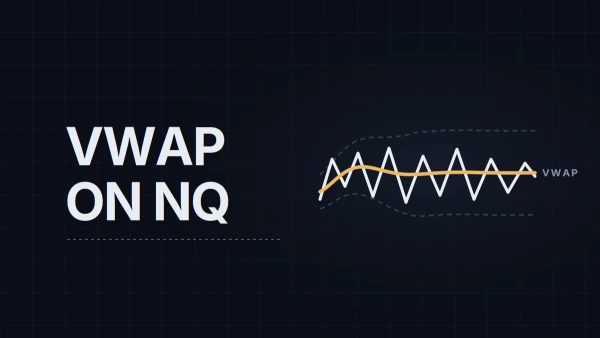
- VWAP on NQ: What It Measures, Who Uses It and Why Price Keeps Returning to It VWAP is one division, and most of what traders say about it follows from that division: why it's jumpy after the open and nearly flat by the afternoon, why price rotates around it on balanced days and ignores it on trend days, and where to start the count if you trade NQ before the cash open.
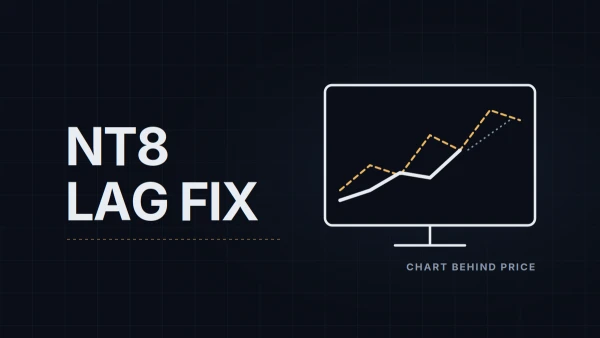
- NinjaTrader 8 Performance: Why Charts Lag, Freeze or Stutter and How to Fix It A chart that trails price, a window that stops responding and a chart that jerks while scrolling are three different problems with three different causes. How to tell them apart, the settings that cost nothing to change, how to find the one script eating the CPU, and when to blame the hardware.
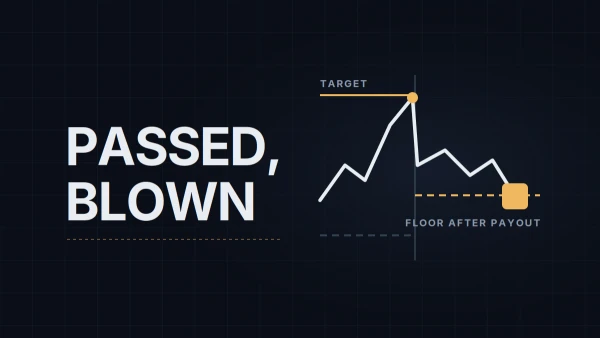
- Why Traders Pass Evaluations and Fail Funded Accounts An evaluation has a finish line and a funded account doesn't, and that one difference explains most blown funded accounts. The arithmetic of passing by luck, what a payout does to the drawdown at Topstep and Lucid, the three ways funded accounts usually end, and how traders adjust.
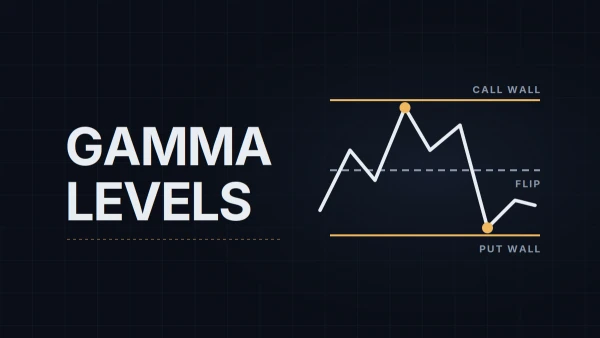
- Gamma Levels for NQ: Call Wall, Put Wall and the Flip as Key Levels The regime is one number; the walls and the flip are prices, and prices can go on the chart. Where to get gamma levels for NQ every morning, how to convert QQQ and NDX strikes to futures, how to draw them in NinjaTrader 8 next to your other levels, and the mornings when the map breaks.
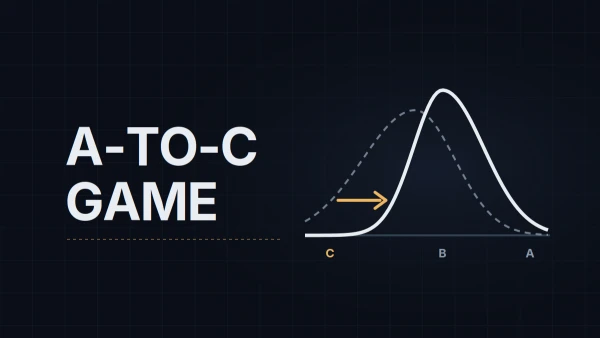
- The A-to-C Game Analysis: Mapping Recurring Trading Mistakes Before They Cost Money A month of trading is usually decided by its worst three days, not its best five. Jared Tendler's A-to-C game analysis writes down what your best, average and worst trading look like, mental and tactical, so the worst can be recognized while it's happening. A worked grid and how to build yours.
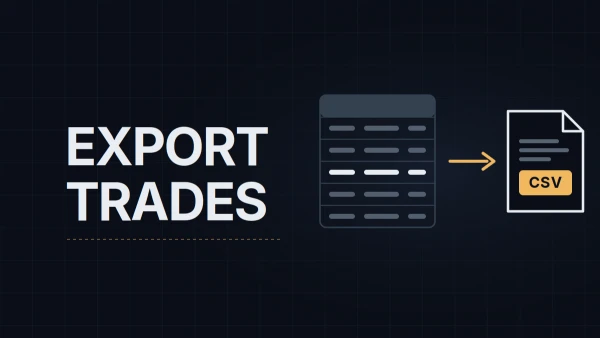
- Exporting Trades From NinjaTrader 8 to a Journal: Trade Performance, Executions and CSV One window and one right-click get your trades out of NinjaTrader 8. Choosing between the Executions and Trades views, and knowing what the file leaves out or gets wrong, decides whether the journal built on it is right. Steps, both column sets and the four checks.
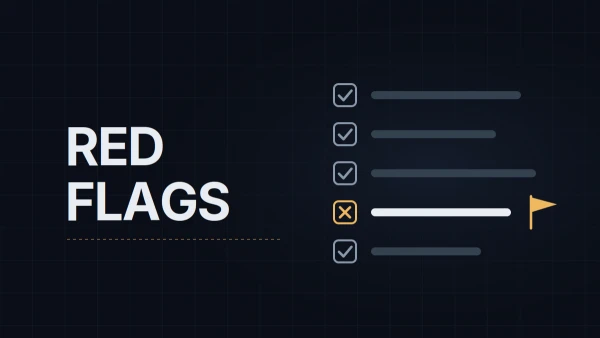
- Prop Firm Red Flags: How to Vet a Firm Before Paying for an Evaluation "Is this prop firm legit?" hides two questions: will the firm pay a trader who follows its rules, and will it still exist when you get there. What normal looks like in a simulated-funding industry, which signs are real warnings, and eight checks to run before paying.
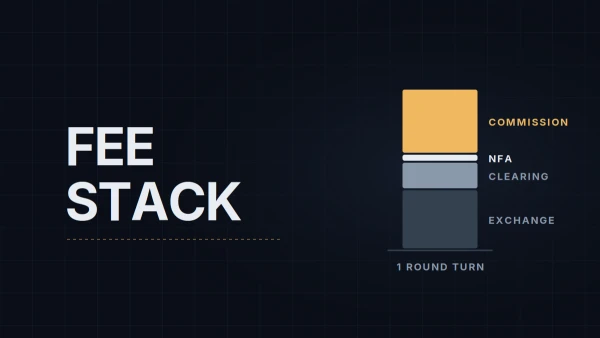
- Futures Commissions and Fees Explained: Exchange, Clearing, Platform, Data and the Real Cost per Round Turn Twenty MNQ round turns a day is $760 a month at a retail broker and $400 to $490 on an evaluation, and both come out of the same drawdown. Where each cent goes, why NQ is cheaper per point than MNQ, what a lifetime plan has to save to pay for itself, and what data costs.
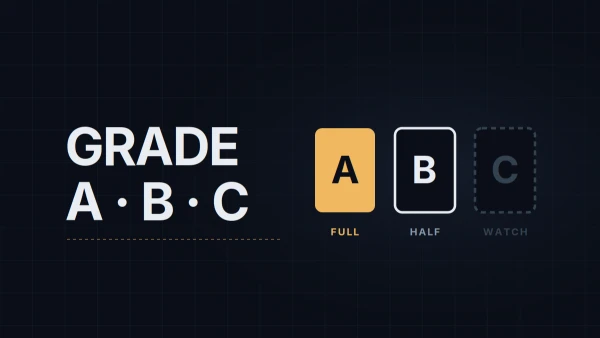
- Grading Setups A, B and C: A Framework for Taking Fewer, Better Trades A journal that logs every reversal as "reversal" averages a 65% trade with a 40% one and calls the result a strategy. Five criteria that separate an A from a C at the same level, three ways to turn them into a grade, what to do with the grade at entry, and how many trades it takes to trust it.

No posts in this hub on this page yet.
On YouTube
Session recordings with commentary are coming to the channel. Subscribe to catch the first one.
Subscribe on YouTube