
All posts
Market notes, session journals, weekly reviews and everything in between, newest first.
Newest first
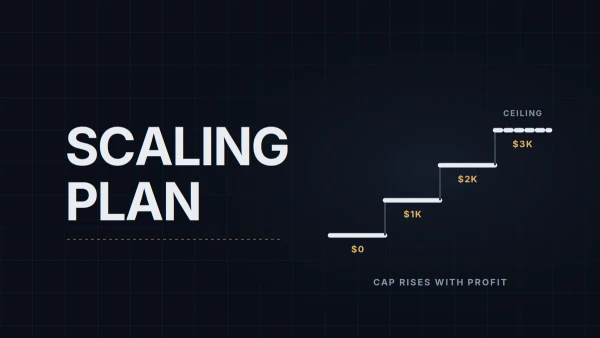
- Scaling Plans and Max Position Size on Prop Accounts: How the Rules Work and How to Size Under Them The contract cap on the pricing page is the ceiling, not the size. Funded accounts open below it and climb as profit builds, payouts pull the tier back down, and the cap never moves mid-session. How the ladders work at Lucid and Topstep, and a method for choosing size from the cushion.
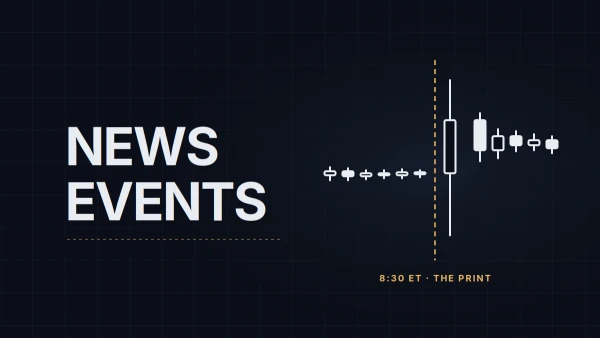
- Trading Around News Events on NQ: Flat, Fade or Follow A scheduled release changes the market for a few minutes: the book thins, the spread widens, the first move runs stops and the second move is the one that matters. Three ways to trade around that, what each one costs, and what the prop firm rulebooks say about news.
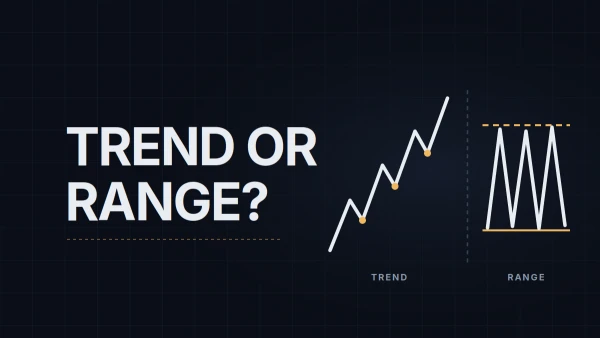
- Market Structure: Trend vs Range, Higher Highs, Lower Lows and Rotations Every intraday method assumes a regime: reversals need a range, breakouts need a trend, and the same entry is right on one kind of day and wrong on the other. What higher highs, lower lows and rotations actually mean, how to read the day's structure early, and what to do when it changes.
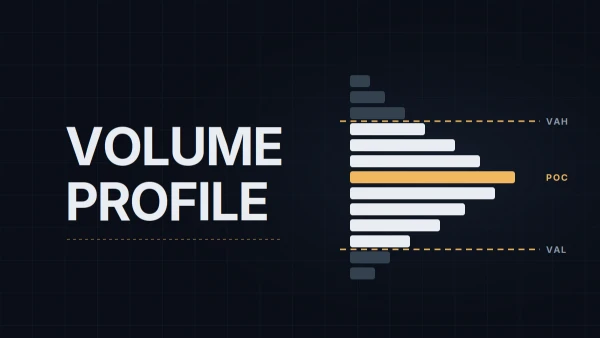
- Free Volume Profile for NQ: TradingView Instead of the Paid NinjaTrader Add-On Three numbers from yesterday's profile are worth marking before the open, and NinjaTrader charges for the tool that draws them. Four ways to get POC, VAH and VAL without Order Flow+, what each costs, a session profile in TradingView, and the five-minute routine that moves the levels to NT8.
- Reading a Prop Firm Rulebook: 7 Clauses to Check Before Buying an Evaluation The fee is the smallest number in the rulebook. Seven clauses decide the rest: how the drawdown moves and where it locks, whether a bad day pauses or ends you, who checks consistency and when, how big you may trade, when you must be flat, what the clock costs, and what a payout takes.
- NQ Volatility: ATR, Average Daily Range and Why a Fixed Stop Can't Work The same 30-point stop is a tenth of a calm day's range and a twentieth of a wild one's. What ATR and average daily range measure on NQ, a formula that turns the VXN into an expected range, where the range happens inside the session, and three ways traders size stops to it.
- Support and Resistance: How Levels Form and Why Price Reacts to Them Support and resistance are prices where limit orders, stop orders and a lot of people's memory sit on top of each other. Where levels come from, why price reacts, why breakouts fail, and three ways traders use a level.
- Market Replay in NinjaTrader 8: Practicing a Setup Without Burning an Evaluation An evaluation charges drawdown for every lesson. Market Replay charges nothing: the same tick data, the same charts, the same ATM, on a session you choose. How to download it, what Playback101 does differently, and a practice protocol that transfers.
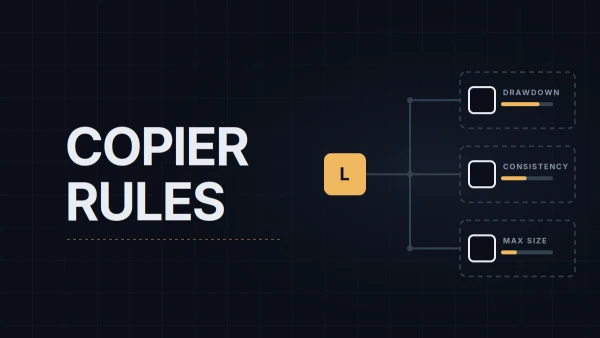
- Trade Copiers and Prop Firm Rules: What's Allowed, What Isn't and Why Firms Care A trade copier turns one click into a position on every account you run, and the firms don't mind, as long as the accounts are yours, they all point the same way and a follower's mistakes count as yours. The four rules, the firm-by-firm table and what copying does to your drawdown.
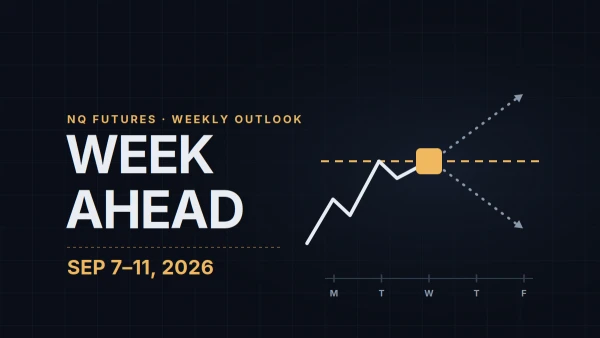
- NQ Week Ahead (Sep 7–11, 2026): CPI, the Fed Blackout and the September Roll The Fed went quiet on Saturday and stays quiet through CPI. That leaves Thursday's PPI and Friday's CPI to price the September 16 decision alone, with the NQ contract roll landing in between. Where last week's map held, where it didn't, the levels I've marked and how the European session lines up.
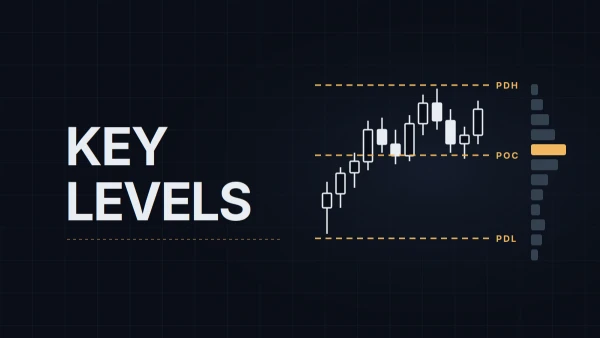
- Key Levels on NQ: PDH/PDL, Overnight Range and Volume Profile (POC, VAH, VAL) A key level is a price where something measurable happened: a session ended, a night's range was set, a day's volume piled up. The seven levels worth marking on NQ before the open, how each is calculated, how to mark them, and how the two schools of level trading use them.
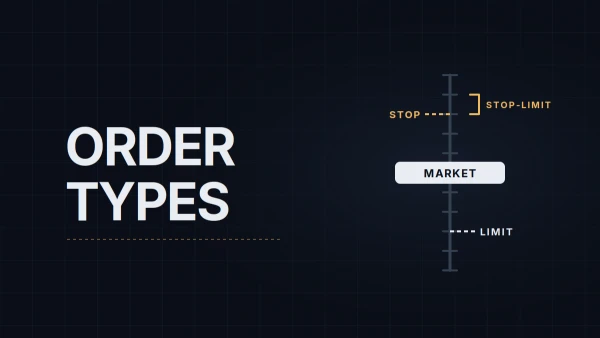
- Order Types Explained: Market, Limit, Stop, Stop-Limit and OCO Brackets An order is a promise about either price or execution, never both. The four types from zero, when each one fails you (slippage, no fill, a stop that never triggers), what CME does with a market order behind the scenes, and how a bracket ties two of them together.
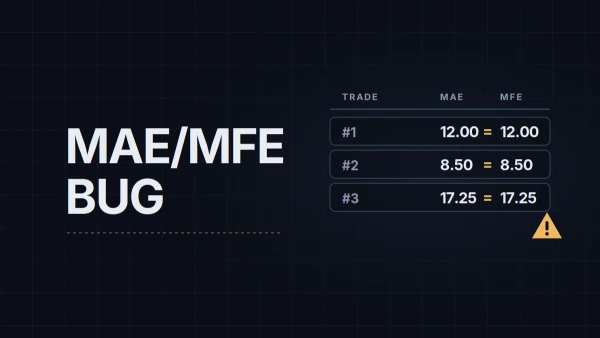
- NinjaTrader's MAE/MFE Export Is Wrong: The Bug and Three Workarounds MAE and MFE are the two numbers that tell you whether your stops and targets are in the right place, and on live accounts NinjaTrader 8 has been getting them wrong since 2023. What the columns mean, how to spot the bug in your own export, and three ways to get clean numbers.
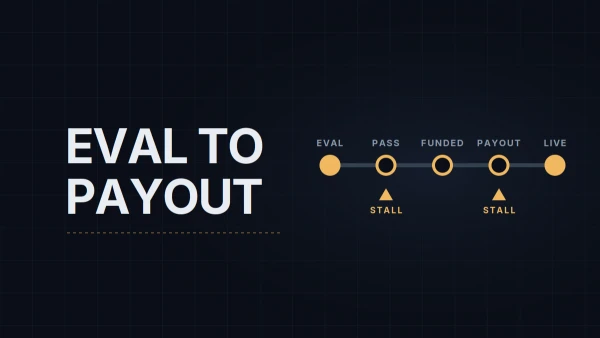
- Eval → Funded → Payout: The Typical Timeline and Where People Stall The timeline prop firm ads show and the one the rulebooks produce are different documents. Each gate from purchase to payout, what it checks, how long it typically takes, and the four places where traders who are profitable on paper stall for weeks.
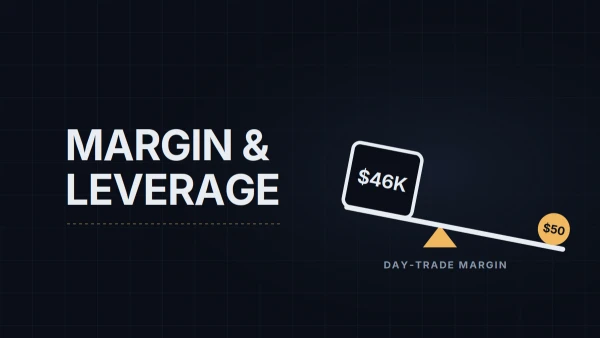
- Margin and Leverage on MNQ: Day-Trade Margin, Maintenance Margin and What Actually Blows Accounts Three different numbers get called "margin" on a futures account, and only one of them is a rule you can break. Exchange initial and maintenance margin, broker day-trade margin, and the contract caps prop firms use instead, with the leverage math on MNQ and the failure that actually happens.
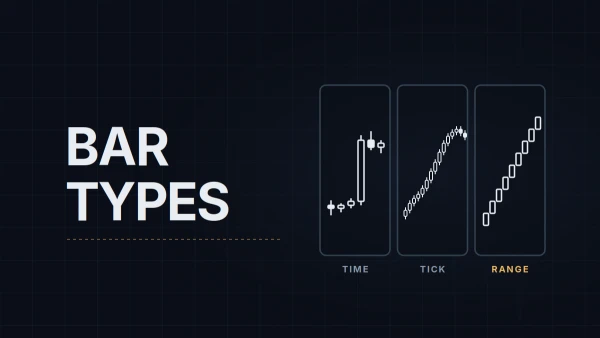
- Timeframes and Bar Types Explained: Time, Tick, Range and Volume Bars Every chart replaces the x-axis with something: the clock, the number of trades, the contracts traded or the distance price moved. That choice decides what you see and what disappears. The four bar types from zero, the same hour on all of them, and how to choose.
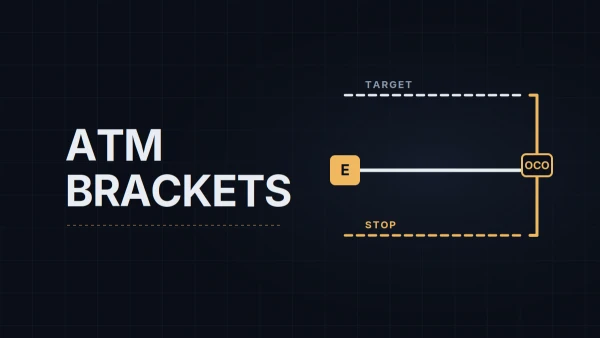
- ATM Strategies in NinjaTrader 8: Brackets, OCO and Never Holding a Naked Position What NinjaTrader's ATM Strategy does the instant your entry fills, the fields worth understanding before you save a template, how auto breakeven and auto trail change the trade, how to build one in Chart Trader, and which parts keep working if the platform goes down.
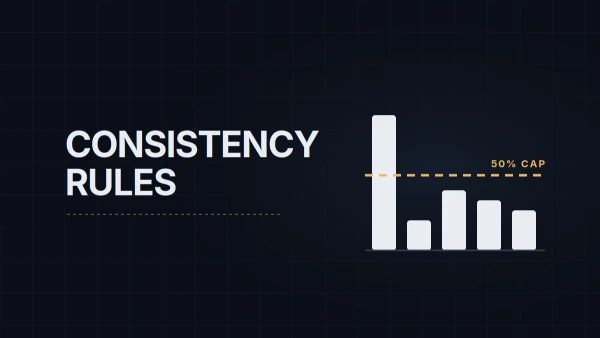
- Consistency Rules: How a "Good" Day Can Block Your Payout The rule that turns a finished evaluation into an unfinished one without a single losing trade: what "largest day ÷ total profit" means, the two formulas that tell you where you stand before the session, where Lucid, Apex and Topstep apply it, and four ways traders live with it.
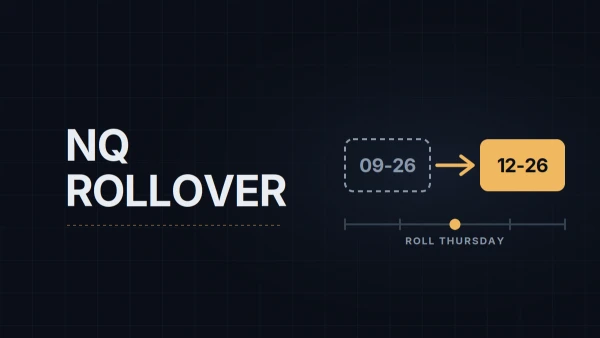
- NQ Contract Months and Rollover: The Quarterly Trap Every three months the contract you're trading stops being the one everyone else is trading. The dates for the December 2026 roll, how NinjaTrader and Tradovate handle it differently, and why levels drawn on the old contract don't carry over 1:1.
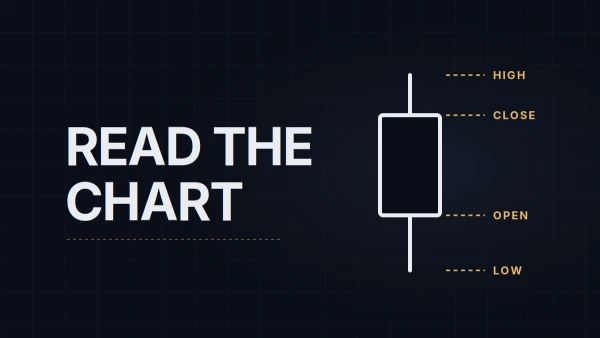
- How to Read a Price Chart: Candlesticks, Bars and Line Charts from Zero The from-zero guide to reading a price chart: how a candlestick, an OHLC bar and a line chart draw the same four numbers, what a long wick or a small body means, why one candle can't tell you what happened inside it, and five named patterns described as what they are.
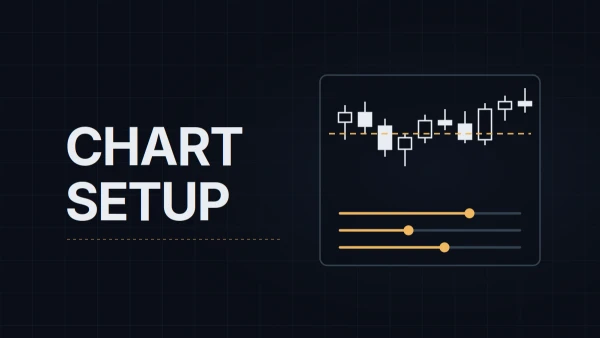
- NinjaTrader 8 Chart Setup: Data Series, Bar Types and Workspaces The from-zero guide to charts in NinjaTrader 8: what a minute, tick, range, volume or Renko bar actually measures, the four Data Series settings that change what you see, the chart properties worth touching, and how templates and workspaces keep you from rebuilding it all tomorrow.
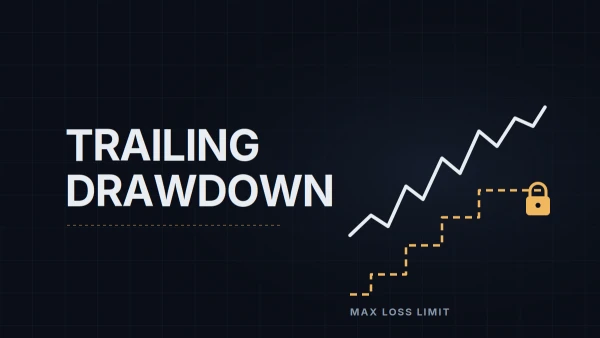
- Trailing Drawdown Explained: EOD vs Intraday vs Static The profit target gets the attention; the drawdown ends the accounts. Three ways prop firms measure it (intraday, end-of-day, static), the same three trades run through each, where the floor locks, and what changes in how you trade under each rule.
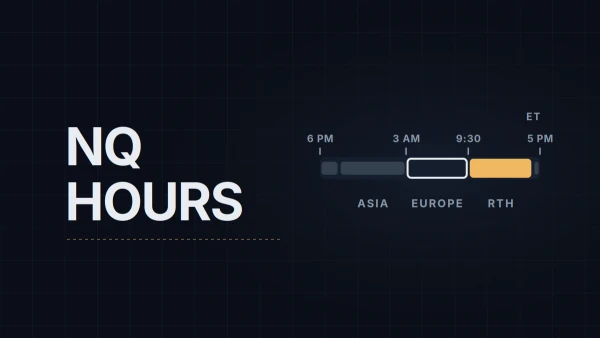
- NQ Trading Sessions Explained: Globex, European Hours and RTH Globex opens Sunday evening and NQ trades almost around the clock, but the day splits into four windows with different volume, range and reasons to move. A session table in ET and CEST, what drives each window, and how to pick one for your schedule and your setup.
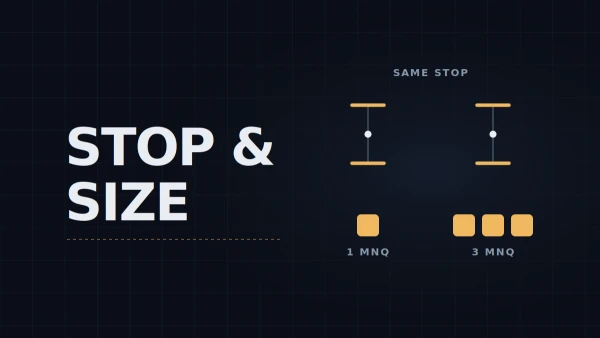
- Stop Belongs to the Setup, Size Belongs to Capital The most common sizing question bundles two decisions that have nothing to do with each other. Where the stop goes is a fact about the trade; how many contracts is a fact about the account. One division connects them — and running it backwards is how evaluations end.
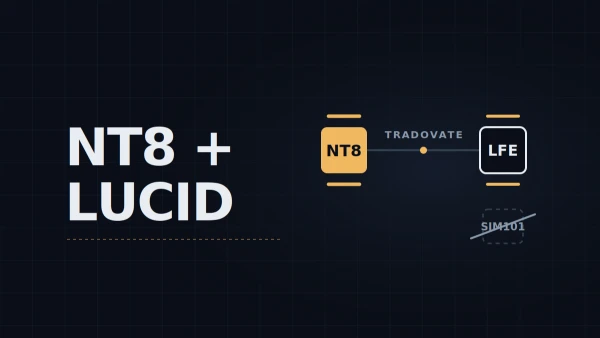
- Connecting NinjaTrader 8 to a Lucid Account via Tradovate, Step by Step Five steps from Lucid credentials to a live MNQ chart in NinjaTrader 8: the Tradovate sign-in most people skip, the Multi-provider checkbox, why Account Type must say Simulation, and how to tell your evaluation account from the Sim101 decoy.
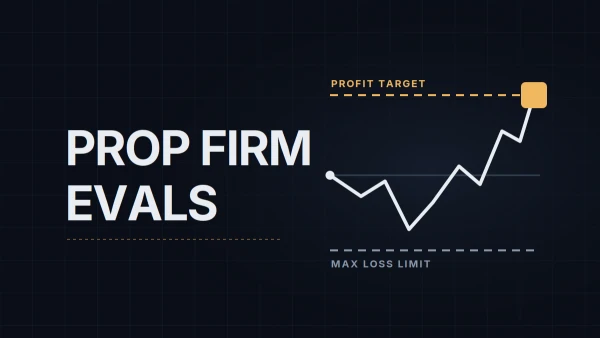
- What a Prop Firm Evaluation Actually Is (and Why I Trade Them) The whole product in two sentences, the money flow behind it, the parts every evaluation has (with a Lucid Flex 25K example), what the test measures and what it doesn't — and why I trade them anyway.
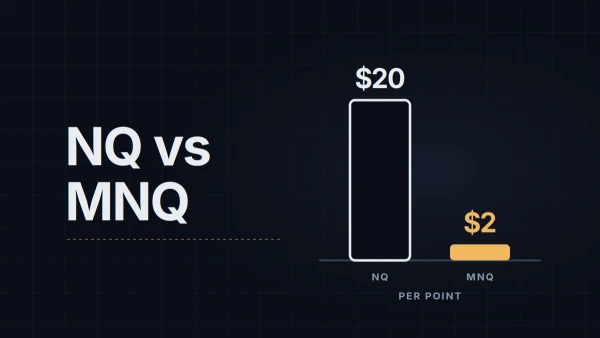
- NQ vs MNQ: Tick Value, Point Value and What a 20-Point Move Actually Costs Same index, same tick size, 10× the dollar value. What one tick, one point and a full stop cost on NQ vs MNQ — and why margin is not the number that decides which contract you should trade.
- NQ Week Ahead (Aug 31–Sep 4, 2026): Payrolls, Broadcom and a Fed That Isn't Finished Last week's post carried two roadmaps and the market traded both: the downside path early, the upside path late, ending with a rejection at 29,800. Now NQ sits inside balance with a Fed that sounds unfinished, payrolls on Friday and Broadcom midweek. Levels, scenarios and calendar inside.
- How to Import Indicators and Add-Ons into NinjaTrader 8 Every NinjaTrader 8 tool you download arrives one of two ways: a NinjaScript zip you import in three clicks, or raw .cs source files you drop in a folder and compile. Here's both paths, plus how to update, remove, and fix the errors that stop most people.
- I Got Blindsided at 13:00 CEST. So I Built a Calendar. Last Thursday Walmart's numbers hit at 13:00 CEST, right in the middle of my EU session, and I didn't have the time in my plan. So I built the calendar I wanted: every USD event that moves NQ, plus the earnings that matter, in ET and your local time.
No posts in this hub on this page yet.
On YouTube
Session recordings with commentary are coming to the channel. Subscribe to catch the first one.
Subscribe on YouTube